Embarking on a journey as a digital nomad requires meticulous planning. Success hinges not only on a strong internet connection and a reliable laptop, but also on a well-considered approach to packing, health, finances, and cultural sensitivity. This guide delves into the essential elements for a smooth and productive remote work experience while exploring the world.
From selecting the right tech gadgets and packing light yet efficiently to navigating international finances and adapting to diverse cultures, we’ll equip you with the knowledge and strategies to thrive as a digital nomad. We’ll cover everything from choosing the best travel insurance to finding affordable accommodations and reliable internet access, ensuring your journey is both rewarding and stress-free.
Essential Tech for Digital Nomads
Embarking on a digital nomad journey requires careful consideration of the technology that will power your remote work lifestyle. Reliable and portable equipment is paramount for maintaining productivity and connectivity while navigating diverse locations and environments. Choosing the right tools can significantly impact your efficiency and overall experience.
Indispensable Tech Gadgets for Remote Work
Selecting the right tech gadgets is crucial for seamless remote work. The following table Artikels some popular choices, highlighting their key features, advantages, and potential drawbacks. Remember that individual needs may vary depending on your specific profession and work style.
| Manufacturer | Model | Key Features | Pros/Cons |
|---|---|---|---|
| Apple | MacBook Pro 16″ | Powerful processor, large display, long battery life, robust build | Pros: Excellent performance, reliable; Cons: Pricey, can be heavy for extensive travel |
| Dell | XPS 13 | Lightweight, high-resolution display, long battery life, good performance | Pros: Portable, good value; Cons: Can overheat under heavy load, limited port selection on some models |
| Samsung | Galaxy Tab S8 Ultra | Large display, stylus support, good for note-taking and creative work, portability | Pros: Versatile, good for both consumption and creation; Cons: Can be expensive, battery life could be better for intensive use |
| TP-Link | M7450 4G LTE Mobile Hotspot | Fast mobile internet access, multiple device connectivity, portable | Pros: Reliable connectivity on the go; Cons: Data costs can add up, speed depends on network coverage |
| Anker | PowerCore 10000 | High capacity, multiple USB ports, compact size | Pros: Keeps devices charged on the go; Cons: Charging time can be relatively long |
Cloud Storage and Backup Solutions for Digital Nomads
Reliable cloud storage and robust backup solutions are non-negotiable for digital nomads. The constant movement and potential for device loss necessitate a secure system to protect your valuable data. Popular services like Dropbox, Google Drive, iCloud, and OneDrive offer varying levels of storage and features. These services provide accessibility from any device with an internet connection, ensuring you always have access to your files.
Consider using a combination of services for redundancy and enhanced security. For example, storing critical documents on one service and less crucial files on another. Regular backups are crucial; scheduling automated backups is recommended to minimize the risk of data loss.
Maintaining Cybersecurity While Working Remotely
Cybersecurity is paramount for digital nomads working from various, often unsecured, locations. Using strong, unique passwords for each account, enabling two-factor authentication wherever possible, and regularly updating software are fundamental steps. Public Wi-Fi networks are notoriously vulnerable; using a VPN (Virtual Private Network) encrypts your internet traffic, protecting your data from potential eavesdroppers. Regularly reviewing your device’s security settings and installing reputable antivirus software are also essential precautions.
Being aware of phishing attempts and suspicious emails is crucial to avoiding malware infections. Finally, consider investing in a password manager to streamline secure password management.
Packing Light
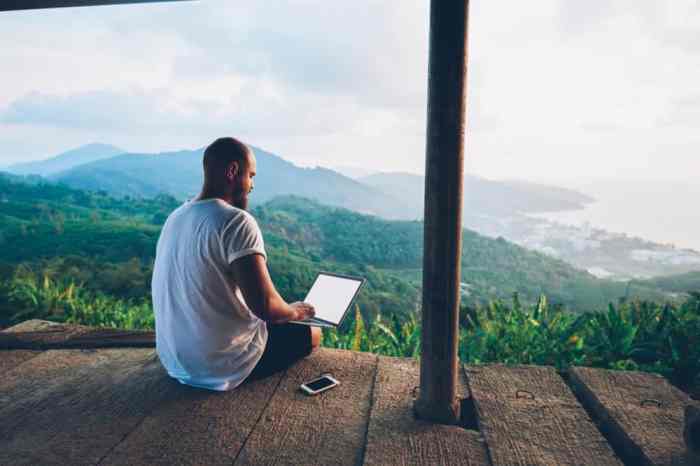
Packing light is paramount for the digital nomad lifestyle. The freedom to move easily between locations, avoid hefty baggage fees, and navigate unfamiliar transportation systems all hinge on your ability to travel with minimal luggage. This section focuses on strategies for packing efficiently and strategically for a variety of climates and situations.
Versatile Clothing Items
Choosing versatile clothing items is key to minimizing the number of garments you need to pack. Prioritize items that can be mixed and matched to create multiple outfits. Natural, breathable fabrics like cotton and linen are ideal for warmer climates, while merino wool offers warmth and odor resistance for cooler conditions. Avoid packing items that are easily wrinkled or require special care.
- 4-6 versatile tops (e.g., t-shirts, tank tops, blouses)
- 2-3 pairs of bottoms (e.g., leggings, jeans, lightweight trousers)
- 1 lightweight jacket or sweater
- 1-2 pairs of comfortable walking shoes
- 1 pair of dressier shoes (optional, depending on your work and social needs)
- Underwear and socks (enough for 7-10 days, depending on your laundry habits)
- 1 versatile dress or skirt (optional)
- Swimsuit (if applicable)
- Sleepwear
Essential Toiletries and Personal Care
Travel-sized toiletries are essential for keeping your luggage light and complying with airline regulations. Opt for multi-purpose products to reduce the number of items you need to carry. Solid toiletries, such as shampoo bars and conditioner bars, are also a great space-saving option, as they eliminate the need for bulky bottles.
- Travel-sized shampoo, conditioner, and body wash
- Toothbrush, toothpaste, and floss
- Sunscreen (SPF 30 or higher)
- Insect repellent
- Deodorant
- Small container of moisturizer
- Medications (in their original containers, with prescriptions if necessary)
- First-aid kit (band-aids, pain relievers, antiseptic wipes)
Strategies for Minimizing Luggage Weight and Maximizing Space
Effective packing techniques are crucial for maximizing space and minimizing weight. Rolling your clothes instead of folding them saves space and reduces wrinkles. Using packing cubes to organize your belongings can further optimize space and make unpacking easier. Consider using compression bags to reduce the volume of bulky items like sweaters. Prioritize lightweight materials and choose versatile items that can serve multiple purposes.
Remember to weigh your luggage before heading to the airport to avoid unexpected fees.
Health and Wellness on the Go
Maintaining physical and mental well-being is crucial for digital nomads, whose lifestyles often involve irregular schedules, constant travel, and exposure to new environments. Prioritizing health ensures sustained productivity and enjoyment of the nomadic experience. This section provides guidance on practical strategies to support your health and wellness while working and traveling remotely.
Maintaining Physical Health While Traveling
Regular exercise is vital for combating the sedentary nature of remote work and the physical demands of travel. Finding opportunities for physical activity, even in unfamiliar locations, is achievable through various means. Utilizing hotel gyms, exploring local parks for jogging or walking, or engaging in bodyweight exercises in your accommodation are all viable options. Maintaining a balanced diet, even with limited access to familiar foods, can be achieved by choosing fresh, local produce and incorporating mindful eating habits.
Staying hydrated is paramount, especially in different climates. Carrying a reusable water bottle and refilling it regularly is a simple yet effective way to ensure adequate hydration.
Maintaining Mental Health While Traveling
The constant change of scenery and social dynamics inherent in the nomadic lifestyle can impact mental well-being. Establishing a consistent daily routine, even while traveling, helps maintain a sense of normalcy and stability. Prioritizing sufficient sleep, minimizing stress through relaxation techniques like meditation or mindfulness, and staying connected with loved ones through regular communication are essential for mental well-being.
Setting boundaries between work and personal life is crucial to prevent burnout. Scheduling dedicated downtime and engaging in hobbies outside of work contributes to a healthy work-life balance. Seeking professional help if needed should not be stigmatized; mental health resources are available online and in many locations globally.
Essential Medications and First-Aid Supplies for International Travel
A well-stocked first-aid kit is a crucial component of any digital nomad’s travel preparations. This kit should contain both over-the-counter medications and any prescription medications required. It’s advisable to consult with a doctor before traveling internationally to discuss necessary vaccinations and any potential health concerns specific to your destination.
| Medication/Supply | Purpose | Dosage/Application | Storage |
|---|---|---|---|
| Pain relievers (e.g., ibuprofen, paracetamol) | Pain relief, fever reduction | Follow package instructions | Cool, dry place |
| Antihistamines (e.g., diphenhydramine) | Allergy relief | Follow package instructions | Cool, dry place |
| Anti-diarrheal medication (e.g., loperamide) | Treatment of diarrhea | Follow package instructions | Cool, dry place |
| Antiseptic wipes/cream | Wound cleaning and disinfection | Apply to affected area | Cool, dry place |
| Bandages, adhesive bandages | Wound protection | Apply to wound | Cool, dry place |
| Prescription medications (if applicable) | Treatment of specific medical conditions | As prescribed by doctor | Cool, dry place, follow specific storage instructions |
| Motion sickness medication (e.g., dimenhydrinate) | Relief from motion sickness | Follow package instructions | Cool, dry place |
Managing Jet Lag and Adapting to Different Time Zones
Jet lag, a disruption of the body’s natural sleep-wake cycle, is a common challenge for frequent travelers. Strategies for mitigating its effects include adjusting your sleep schedule gradually in the days leading up to your flight, staying hydrated during travel, and exposing yourself to sunlight upon arrival at your destination to help regulate your circadian rhythm. Upon arrival, try to maintain a consistent sleep schedule, even if it means going to bed and waking up earlier or later than usual.
Avoiding caffeine and alcohol, especially in the hours leading up to bedtime, can also be beneficial. For longer trips, allowing for a few days of acclimatization before engaging in strenuous work or activities is advisable. For example, a business trip to Tokyo requiring immediate high-level meetings might be less successful if not allowing for adequate adjustment to the nine-hour time difference.
Financial Planning and Security
Financial security is paramount for digital nomads, requiring careful planning and proactive measures to protect your assets and well-being while navigating the complexities of international travel. This section Artikels key strategies for managing your finances and mitigating risks associated with remote work and global mobility.
Travel Insurance Coverage for Digital Nomads
Travel insurance is not merely a suggestion; it’s a necessity for digital nomads. Unexpected events—medical emergencies, trip cancellations, lost belongings—can quickly derail your plans and severely impact your finances. Different policies offer varying levels of coverage, catering to different needs and budgets. For example, a basic policy might cover medical expenses and trip cancellations, while a comprehensive plan might also include coverage for lost luggage, personal liability, and even emergency medical evacuation.
Consider the duration of your travels, your planned activities, and your personal risk tolerance when choosing a plan. Some policies even offer specialized coverage for digital nomads, including protection for lost equipment or interrupted work. It is crucial to carefully review the policy details before purchasing to understand the extent of coverage and any exclusions.
Managing Finances While Traveling
Effective financial management is critical for maintaining a sustainable nomadic lifestyle. This involves creating a realistic budget that accounts for all expenses, from accommodation and transportation to food and entertainment. Utilizing online banking services allows for easy access to funds and tracking of transactions, regardless of location. Choosing a bank with a global network of ATMs minimizes fees associated with cash withdrawals.
Furthermore, understanding currency exchange rates and employing strategies to minimize conversion fees is essential. Many banks and online services offer currency exchange options, but comparing rates and fees is crucial to securing the most favorable exchange. For instance, using a debit card linked to a multi-currency account can often yield better exchange rates than using credit cards or exchanging cash at local bureaus.
Protecting Against Theft and Scams
Protecting yourself from theft and scams is an ongoing concern for anyone traveling internationally, but especially for digital nomads who often carry valuable electronics and sensitive information. Simple precautions, such as using secure accommodation, keeping valuables close, and being mindful of your surroundings, can significantly reduce your risk. Utilizing secure passwords and two-factor authentication for all online accounts protects your financial information.
Being wary of unsolicited offers and unfamiliar individuals is also vital. Avoid displaying large amounts of cash and be cautious when using ATMs, particularly in less populated areas. Consider investing in a travel wallet with RFID blocking technology to protect your cards from electronic theft. Finally, keeping copies of important documents (passport, visas, insurance information) in a separate, secure location is a wise precaution against loss or theft.
Travel Resources and Tools
Navigating the world as a digital nomad requires more than just a laptop and a passport. Leveraging the right resources and tools can significantly streamline your travels, saving you time, money, and stress. This section explores essential apps, websites, and strategies for finding affordable travel options.Effective planning is crucial for a smooth and enjoyable nomadic lifestyle. This involves not only securing affordable travel but also navigating unfamiliar environments and cultures.
The following sections detail helpful tools and resources to facilitate this.
Useful Travel Apps for Digital Nomads
Several mobile applications significantly enhance the digital nomad experience. These apps offer convenient solutions for booking travel, overcoming language barriers, and exploring new destinations.
- Flight and Accommodation Booking: Skyscanner and Google Flights are invaluable for comparing flight prices across multiple airlines. Booking.com, Airbnb, and Hostelworld provide a wide range of accommodation options, from budget-friendly hostels to luxurious apartments, allowing for tailored choices based on budget and preference. These platforms often feature user reviews and ratings, aiding in informed decisions.
- Language Translation: Google Translate is a widely used and readily accessible translation tool. It offers text, voice, and image translation, proving extremely helpful in navigating unfamiliar languages. Other apps like iTranslate offer similar functionalities with potential advantages in specific language pairs or offline capabilities.
- Navigation: Google Maps remains a dominant force in navigation, offering detailed maps, real-time traffic updates, and public transportation information. Offline map downloads are particularly useful for areas with limited internet connectivity. Citymapper excels in providing comprehensive public transportation schedules and routes in major cities worldwide.
Reliable Travel Blogs and Websites for Remote Workers
Numerous online resources cater specifically to the needs and interests of digital nomads. These platforms offer valuable insights, practical advice, and community support.
- Nomad List: This website provides detailed information on cities popular with digital nomads, rating them based on factors like cost of living, internet speed, and visa requirements. It’s a great resource for researching potential destinations.
- RemoteOK: While not strictly a travel blog, RemoteOK is a job board specializing in remote work opportunities, providing potential income streams for digital nomads. This site helps find suitable remote jobs which allow for location independence.
- Travel blogs (e.g., The Points Guy, Nomadic Matt): Many travel blogs offer advice and tips specifically tailored to long-term travelers and remote workers. These often cover topics like visa regulations, travel insurance, and budgeting strategies.
Methods for Finding Affordable Travel Deals and Accommodations
Securing budget-friendly travel options is paramount for digital nomads. A combination of strategies can significantly reduce travel expenses.
- Flexible Travel Dates: Traveling during the off-season or on weekdays can dramatically reduce the cost of flights and accommodation. Flexibility allows for leveraging cheaper options.
- Utilizing Budget Airlines and Transportation: Low-cost carriers and budget-friendly transportation options (buses, trains) significantly reduce travel costs, particularly for longer journeys. These options often require more planning and potentially longer travel times but offer substantial savings.
- Booking in Advance or Last Minute: Booking flights and accommodation well in advance often secures better deals. However, last-minute bookings sometimes offer unexpectedly low prices, especially during periods of low demand. This requires careful monitoring of prices.
- Utilizing Rewards Programs and Travel Hacks: Loyalty programs and credit card rewards can provide significant discounts on flights, accommodation, and other travel-related expenses. Strategies like points accumulation and mileage redemption can add up to considerable savings.
- House Sitting or Pet Sitting: These options provide free accommodation in exchange for looking after a house or pets while the owners are away. This can be a cost-effective way to stay in various locations.
Adapting to Different Cultures and Environments
Embracing cultural nuances and environmental realities is paramount for a successful digital nomad experience. Successfully navigating diverse settings requires a blend of preparation, adaptability, and respect for local customs. This involves more than just packing the right gear; it’s about understanding and integrating into new environments.Understanding cultural differences significantly impacts your interactions and overall experience. Successfully navigating these differences enhances your travel experience and fosters positive relationships with locals.
This section explores practical strategies for cultural sensitivity and securing essential resources like reliable internet.
Navigating Cultural Differences and Customs
Respecting local customs is crucial for positive interactions. This includes understanding non-verbal communication, such as appropriate greetings and personal space. Researching common etiquette practices before arrival can prevent unintentional offenses. For instance, in some cultures, direct eye contact can be considered rude, while in others, it’s expected. Similarly, understanding appropriate dress codes for different situations helps avoid misunderstandings.
Learning a few basic phrases in the local language, even a simple “hello” and “thank you,” demonstrates respect and can significantly improve interactions. Observing how locals interact and adapting your behavior accordingly is a sign of respect and helps you blend in more smoothly.
Securing Reliable and Affordable Internet Access
Reliable internet access is fundamental for digital nomads. Strategies for finding suitable connections vary depending on location. In major cities, cafes and co-working spaces often provide Wi-Fi, though speed and reliability can fluctuate. Consider purchasing a local SIM card for mobile data; this often offers better connectivity and value than relying solely on Wi-Fi hotspots. For remote areas, satellite internet might be necessary, though this is typically more expensive.
Researching internet options before arrival allows you to choose the most cost-effective and reliable solution for your needs. For example, a comparison of local mobile providers’ data plans in advance can save money and frustration.
Learning Basic Local Phrases
Learning basic phrases in the local language significantly enhances your experience. Even a few simple words and phrases can open doors and foster positive interactions. These phrases can include greetings, thank yous, and basic requests. Using a language learning app, such as Duolingo or Memrise, in the weeks leading up to your trip can help you build a foundational vocabulary.
While fluency isn’t necessary, the effort to communicate in the local language is appreciated and demonstrates respect for the culture. For instance, knowing how to ask for directions or order food in the local language can significantly improve your daily interactions and reduce potential misunderstandings.
Travel Destinations for Digital Nomads
Choosing the right destination is crucial for a successful digital nomad experience. Factors such as cost of living, reliable internet access, and visa regulations significantly impact the overall quality of life and work productivity. This section will explore popular destinations, weighing their advantages and disadvantages to help you make an informed decision.
The ideal location balances affordability, connectivity, and cultural enrichment. Many factors influence the suitability of a location, and careful consideration should be given to individual needs and preferences.
Top Travel Destinations for Digital Nomads
This list considers cost of living (using a general index, acknowledging variations within a country), internet accessibility, and visa requirements for long-term stays. Note that cost of living and visa requirements can change, so always verify the most up-to-date information before traveling.
- Chiang Mai, Thailand: Relatively low cost of living, readily available high-speed internet, and a relatively easy visa process (tourist visa extensions are possible). The city boasts a vibrant expat community and a relaxed atmosphere.
- Medellín, Colombia: Booming digital nomad scene, affordable cost of living, good internet infrastructure, and relatively easy visa requirements for many nationalities. Known for its pleasant climate and welcoming culture.
- Lisbon, Portugal: Growing digital nomad hub with a strong infrastructure, relatively low cost of living compared to other European cities, and a relatively straightforward visa process for EU and many non-EU citizens. Offers a blend of history, culture, and modern amenities.
- Budapest, Hungary: Affordable cost of living, reliable internet, and relatively easy visa requirements for Schengen Area access. Rich in history and culture, with a thriving cafe and co-working space scene.
- Mexico City, Mexico: A large and diverse city with a relatively low cost of living (depending on lifestyle), good internet access in many areas, and relatively easy visa requirements for many nationalities. Offers a rich cultural experience.
Types of Accommodation for Digital Nomads
The choice of accommodation significantly impacts productivity, social interaction, and overall well-being. Each option presents unique advantages and disadvantages.
- Hostels: Generally the most budget-friendly option, hostels offer opportunities for socializing and meeting other travelers. However, they may lack privacy and quiet workspaces. Shared facilities can also be a factor.
- Co-working Spaces: Provide dedicated workspaces with reliable internet and often include community events and networking opportunities. They can be more expensive than hostels but offer a more professional environment. Some offer membership plans with flexible options.
- Serviced Apartments: Offer more privacy and space than hostels or co-working spaces, often including amenities such as kitchens and laundry facilities. They tend to be more expensive but provide greater comfort and independence.
Travel Guides and Resources for Digital Nomad Destinations
Utilizing reliable travel resources can significantly enhance the planning and execution of your digital nomad journey. These resources often provide practical information beyond the scope of general travel guides.
- Nomad List: A crowdsourced database providing information on various digital nomad destinations, including cost of living, internet speed, and visa requirements.
- Google Maps & Local Blogs/Forums: For finding co-working spaces, cafes with good Wi-Fi, and local information, Google Maps is invaluable. Local blogs and forums can provide insider tips and insights.
- Destination-Specific Guides (e.g., Lonely Planet, Rough Guides): While general travel guides may not always focus on the needs of digital nomads, they can still offer valuable information on local culture, transportation, and attractions.
Travel Deals and Discounts
Securing affordable travel is crucial for digital nomads, allowing for extended stays and exploration of diverse locations without breaking the bank. This section Artikels strategies for finding and utilizing travel deals and discounts, maximizing your budget for experiences rather than just transportation and accommodation. Understanding the various avenues for savings will significantly enhance your nomadic lifestyle.Finding and utilizing travel deals requires a proactive approach and familiarity with various resources.
Flights, accommodation, and activities all present opportunities for significant savings. For flights, flexible travel dates often unlock lower fares. Consider flying mid-week or during off-peak seasons. Websites and apps that compare flight prices across multiple airlines are invaluable tools. For accommodation, explore options beyond traditional hotels, such as Airbnb, hostels, and guesthouses.
Booking in advance, especially for popular destinations, can often secure better rates. Similarly, researching and booking activities ahead of time frequently leads to discounts or bundled packages.
Finding Flight Deals
Utilizing flight comparison websites is paramount. Sites like Google Flights, Skyscanner, Kayak, and Momondo allow you to search across numerous airlines and identify the best deals based on your preferred dates and destinations. Setting up price alerts can notify you of price drops on specific routes. Consider budget airlines, which often offer lower fares, but remember to factor in potential extra charges for baggage or seat selection.
Being flexible with your travel dates and airports can also significantly impact the price. For example, flying into a smaller, less popular airport near your desired destination might yield considerable savings.
Securing Discounted Accommodation
Websites like Airbnb and Booking.com offer a wide range of accommodation options, often at lower prices than hotels. Utilizing filters for price, amenities, and location helps narrow down choices. Consider longer stays, as many platforms offer discounts for extended bookings. Hostels are a budget-friendly alternative, ideal for solo travelers or those seeking social interaction. Websites specializing in hostel bookings, such as Hostelworld, can assist in finding suitable options.
Look for deals and promotions offered directly by hotels or through travel agencies.
Accessing Deals on Activities and Experiences
Many online platforms offer discounted tickets to attractions and activities. Websites like Viator, GetYourGuide, and TripAdvisor offer pre-booked tours and experiences, often at reduced prices compared to purchasing tickets on-site. Local tourism websites and social media pages can provide information on special offers and events. Consider city passes, which offer access to multiple attractions at a discounted rate.
For example, a city pass in London might provide access to museums, public transport, and other attractions at a fraction of the individual ticket cost.
Travel Reward Programs and Loyalty Schemes
Leveraging travel reward programs and loyalty schemes offers significant long-term benefits for frequent travelers. Airline and hotel loyalty programs accumulate points or miles with each purchase, which can be redeemed for free flights, hotel stays, or other travel perks. Credit cards with travel rewards offer additional points or miles on travel-related expenses. Strategically utilizing these programs can significantly reduce travel costs over time.
For example, accumulating enough points through a frequent flyer program could potentially cover the cost of a round-trip international flight.
Websites and Resources for Travel Deals
The following websites and resources provide access to a wide array of travel deals and discounts:
- Google Flights
- Skyscanner
- Kayak
- Momondo
- Airbnb
- Booking.com
- Hostelworld
- Viator
- GetYourGuide
- TripAdvisor
Regularly checking these resources and utilizing price comparison tools can significantly enhance your ability to secure the best possible travel deals. Remember to compare offers across different platforms to ensure you’re getting the best value.
The life of a digital nomad, while undeniably exciting, demands careful preparation and adaptability. By thoughtfully considering the tech, packing, health, financial, and cultural aspects Artikeld in this guide, you can significantly enhance your experience. Remember, the key is to strike a balance between embracing the freedom of remote work and maintaining a structured, productive routine that supports both your professional and personal well-being.
Happy travels!
FAQ Compilation
What visa requirements should I consider?
Visa requirements vary drastically by country and your citizenship. Thorough research well in advance is crucial, using official government websites for accurate information.
How do I stay connected reliably while traveling?
A combination of a local SIM card, international roaming (if affordable), and a portable Wi-Fi hotspot often provides the most reliable internet access. Consider your data usage and budget when choosing a solution.
What are some strategies for preventing theft?
Use secure accommodations, avoid displaying expensive electronics, be aware of your surroundings, and utilize travel-safe wallets and bags. Consider travel insurance that covers theft and loss.
How can I maintain a healthy work-life balance while traveling?
Establish a consistent work schedule, set boundaries between work and leisure, prioritize regular exercise, and ensure adequate sleep. Schedule downtime for exploration and relaxation.