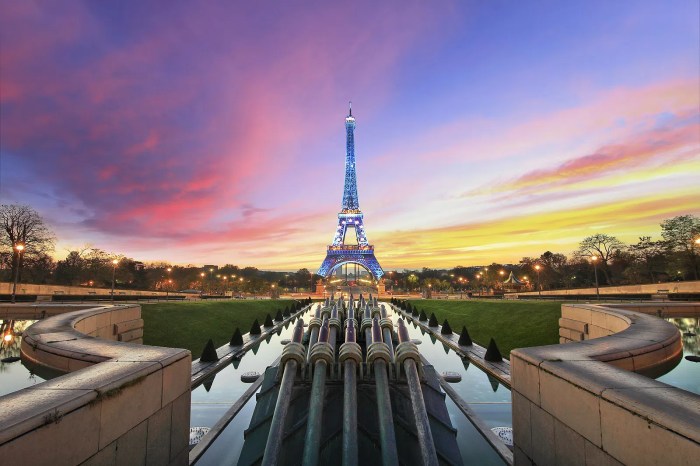
Paris, a city synonymous with romance, art, and history, beckons travelers with its irresistible charm. From iconic landmarks to hidden gems, the City of Lights offers a captivating tapestry of cultural experiences. This guide delves into the must-see attractions, providing practical information and insightful commentary to enhance your Parisian adventure. We’ll explore world-renowned museums, majestic monuments, and charming neighborhoods, offering a curated journey through the heart of French culture.
Prepare to be enchanted by the architectural grandeur of the Eiffel Tower, the artistic masterpieces housed within the Louvre, and the historical significance of Notre Dame Cathedral. We’ll navigate the bustling streets of Montmartre, discover hidden museums, and savor the ambiance of Parisian cafes. This guide aims to equip you with the knowledge and resources necessary for a truly memorable Parisian experience, blending practical travel advice with a deep appreciation for the city’s rich cultural heritage.
Museums & Art Galleries
Paris boasts a wealth of world-renowned museums and art galleries, offering a captivating journey through centuries of artistic expression. From iconic masterpieces to lesser-known gems, the city’s museums provide a rich tapestry of cultural experiences for every visitor. This section will delve into some of the most significant and fascinating, highlighting their unique characteristics and collections.
Musée d’Orsay and Centre Pompidou: A Comparison
The Musée d’Orsay and the Centre Pompidou represent two distinct eras and approaches to art and architecture. The Musée d’Orsay, housed in a stunning former Beaux-Arts railway station, showcases French art from 1848 to 1914. Its collection includes Impressionist and Post-Impressionist masterpieces by Monet, Renoir, Degas, Van Gogh, and Cézanne, among others. The building itself is a significant work of art, with its grand clock, ornate interiors, and expansive glass ceilings creating a breathtaking atmosphere.
In contrast, the Centre Pompidou, with its iconic inside-out architecture of exposed pipes and colourful structural elements, houses a vast collection of 20th and 21st-century art, including works by Picasso, Matisse, Kandinsky, and many contemporary artists. Its modern and unconventional design stands in stark contrast to the classical elegance of the Musée d’Orsay, reflecting the revolutionary spirit of the art it displays.
Both museums offer unparalleled opportunities to explore significant periods in art history, but through vastly different lenses.
Musée Rodin: Sculptor’s Life and Legacy
The Musée Rodin, dedicated to the works of the renowned sculptor Auguste Rodin, provides a profound insight into the life and artistic vision of this influential figure. The museum showcases a comprehensive collection of Rodin’s sculptures, including iconic works such as “The Thinker,” “The Kiss,” and “The Gates of Hell.” The museum’s beautiful gardens, meticulously designed and maintained, provide a serene setting to appreciate the sculptures, many of which are displayed outdoors amongst the greenery and water features.
The interplay between the sculptures and the natural landscape creates a harmonious and evocative experience. The gardens themselves are a significant part of the museum, offering a tranquil escape within the bustling city. The museum also displays drawings, sketches, and personal items that offer glimpses into Rodin’s creative process and personal life.
Lesser-Known Parisian Museums
Beyond the famous institutions, Paris holds many smaller museums that offer equally rewarding experiences.
- Musée Carnavalet: Dedicated to the history of Paris, this museum offers a fascinating journey through the city’s evolution, from its Roman origins to the present day. Its diverse collection includes paintings, sculptures, furniture, and everyday objects that vividly illustrate the city’s rich past.
- Musée de la Vie Romantique: Situated in a charming house and garden, this museum celebrates the Romantic movement in art and literature. It’s a peaceful retreat offering a glimpse into 19th-century Parisian life.
- Musée des Arts Forains: A unique and enchanting museum dedicated to fairground art and attractions. It houses a remarkable collection of antique carousels, games, and other festive artifacts, offering a playful and nostalgic experience.
- Musée Cognacq-Jay: Housed in a beautiful 18th-century mansion, this museum showcases a refined collection of 18th-century decorative arts, furniture, and paintings, providing a glimpse into the opulent lifestyle of the period.
Historical & Architectural Gems
Paris boasts a wealth of historical and architectural marvels, each telling a unique story of the city’s rich past. From iconic cathedrals to opulent palaces and charming neighborhoods, these sites offer a captivating glimpse into French history and culture. Exploring these gems provides a deeper understanding of Paris beyond its artistic masterpieces.
Notre Dame Cathedral
Notre Dame Cathedral, a masterpiece of French Gothic architecture, stands as a powerful symbol of Paris. Construction began in the 12th century, and over the centuries, it has witnessed countless historical events, from coronations to revolutions. The cathedral’s iconic features include its rose windows, intricate gargoyles, and flying buttresses, all testaments to the skill of medieval artisans. Sadly, a devastating fire in 2019 caused significant damage, requiring extensive restoration work.
While currently undergoing repairs, the cathedral remains a poignant reminder of both the resilience of the human spirit and the fragility of historical treasures. The exterior, partially scaffolded, still offers a glimpse of its former glory, and the ongoing restoration project itself is a spectacle of modern engineering and historical preservation.
Palace of Versailles
The Palace of Versailles, located just outside Paris, is a testament to the opulence of the French monarchy. Built by Louis XIV in the 17th century, it served as the royal residence for over a century. The palace’s extravagant interiors, including the Hall of Mirrors and the King’s and Queen’s apartments, are lavishly decorated with gold leaf, frescoes, and tapestries.
The expansive gardens, designed by André Le Nôtre, are equally impressive, featuring meticulously manicured lawns, fountains, and sculptures. Versailles holds immense historical significance, representing the height of French power and the excesses of absolute monarchy.Reaching Versailles is straightforward. The RER C train line offers direct access from various Parisian stations. Tickets can be purchased online in advance to avoid long queues, offering timed entry slots to manage visitor flow.
This pre-planning ensures a smoother and more enjoyable visit to this iconic landmark.
Montmartre
Montmartre, a charming hilltop neighborhood in northern Paris, is renowned for its artistic heritage and bohemian atmosphere. This historic district was once home to numerous artists, including Picasso, Van Gogh, and Renoir, who were drawn to its picturesque streets, lively atmosphere, and inspiring views of the city. The Place du Tertre, a central square in Montmartre, is a vibrant hub where artists display and sell their work, continuing the neighborhood’s long-standing artistic tradition.
The Sacré-Cœur Basilica, a stunning white-domed church perched atop the hill, offers panoramic views of Paris. Visitors can explore the winding cobblestone streets, discover hidden cafes and art galleries, and soak in the unique ambiance of this iconic Parisian neighborhood. A visit to the Musée de Montmartre provides further insight into the area’s rich artistic past. Enjoying a leisurely stroll, perhaps with a coffee at a traditional café, truly captures the essence of Montmartre’s captivating charm.
Experiencing Parisian Culture
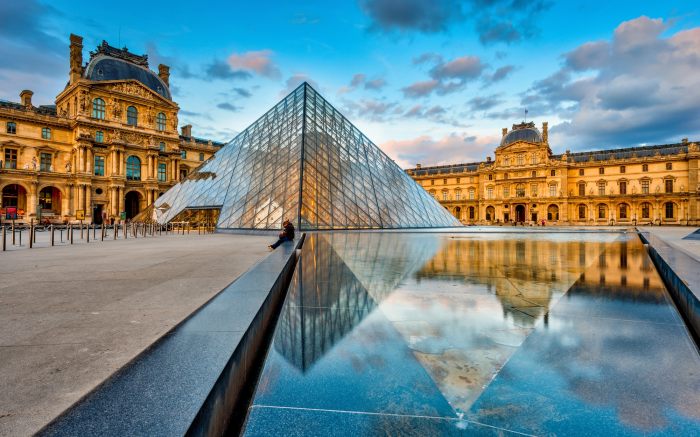
Paris is more than just its iconic landmarks; it’s a city that thrives on its unique cultural fabric, woven from centuries of history and a vibrant contemporary spirit. Immersing yourself in Parisian culture means engaging with its people, its traditions, and its atmosphere – and no better way exists to do this than by experiencing its cafes, nightlife, and the captivating Latin Quarter.
Parisian Cafés: A Cultural Institution
Parisian cafes are not merely places to grab a coffee; they are integral to the city’s social and intellectual life. They’ve served as meeting places for artists, writers, and philosophers for centuries, fostering creativity and intellectual discourse. The atmosphere is often relaxed and convivial, offering a unique blend of people-watching and quiet contemplation. Notable examples include Café de Flore, a Left Bank institution frequented by literary giants like Simone de Beauvoir and Jean-Paul Sartre; Les Deux Magots, another Left Bank gem with a similarly rich history; and Café de la Paix, a grand café near the Opéra Garnier, exuding elegance and sophistication.
These cafes offer a glimpse into the heart of Parisian culture, providing a stage for both casual encounters and profound conversations.
Exploring Parisian Nightlife
Paris offers a diverse and exciting nightlife scene, catering to a wide range of tastes. For a taste of traditional Parisian entertainment, a cabaret show at the Moulin Rouge or Lido is a must. These iconic venues offer dazzling performances, spectacular costumes, and a glamorous atmosphere. Beyond the traditional, the city boasts a plethora of modern bars and clubs, ranging from intimate wine bars in the Marais district to trendy electro clubs in the Canal Saint-Martin area.
Many bars offer a sophisticated ambiance, perfect for enjoying a post-dinner drink and engaging in conversation. The clubs, on the other hand, provide a vibrant and energetic atmosphere ideal for dancing the night away. The choice depends entirely on personal preference, ensuring there’s something for everyone in Paris’s dynamic nightlife.
A Day in the Latin Quarter
The Latin Quarter, a historic student district, pulsates with a unique energy. A day exploring this area should begin with a visit to the Sorbonne University, a prestigious institution with a rich history dating back to the Middle Ages. From there, a stroll through the Jardin du Luxembourg offers a tranquil escape, with its meticulously manicured gardens and stunning fountains.
Afterwards, exploring the narrow, winding streets reveals hidden courtyards and charming boutiques. A visit to the Panthéon, a neoclassical monument housing the tombs of notable French figures, provides a glimpse into French history. The day could conclude with dinner at a traditional bistro in the Latin Quarter, experiencing the area’s vibrant atmosphere and enjoying authentic French cuisine.
This itinerary offers a blend of history, culture, and the lively ambiance that defines the Latin Quarter.
Practical Travel Information
Planning a trip to Paris involves more than just booking flights and choosing museums. Efficient navigation, comfortable accommodation, and understanding the best time to visit are crucial for a truly enjoyable experience. This section provides practical information to help you navigate these aspects of your Parisian adventure.
Transportation Options in Paris
Paris boasts an extensive and efficient public transportation system, making it easy to explore the city without relying on taxis. The Métro (subway) is the quickest way to travel between districts, with frequent services and a network covering most of the city. Buses offer a more scenic route, traversing areas not always accessible by the Métro. Taxis and ride-sharing services are readily available, but can be more expensive, especially during peak hours or for longer distances.
Consider purchasing a Navigo Découverte pass for unlimited travel on the Métro and bus network if you plan on using public transport extensively. Navigating the system is relatively straightforward, with clear signage in both French and English at most stations. However, familiarizing yourself with a map before your trip will greatly enhance your experience.
Accommodation in Paris
Paris offers a wide array of accommodation options to suit every budget and preference. Budget travelers can find comfortable and well-located hostels, often offering a social atmosphere and opportunities to meet fellow travelers. Mid-range options include charming boutique hotels and well-appointed apartments, providing a balance between cost and comfort. For a luxurious experience, Paris is home to many iconic and opulent hotels, offering exceptional service and amenities.
Booking in advance, especially during peak season, is highly recommended to secure your preferred accommodation and potentially obtain better rates.
Best Time to Visit Paris
The best time to visit Paris depends largely on your priorities. Shoulder seasons (spring and autumn) offer pleasant weather, fewer crowds than the summer months, and potentially lower prices on flights and accommodation. Spring (April-May) brings blooming flowers and a vibrant atmosphere, while autumn (September-October) offers a charming ambiance with the changing leaves. Summer (June-August) is the warmest but also the busiest and most expensive time to visit.
Winter (November-March) can be cold and wet, but offers a unique charm and the opportunity to experience Parisian Christmas markets.
Essential Travel Essentials for Paris
Packing appropriately for your trip to Paris is key to ensuring a smooth and enjoyable experience. Here’s a list of essential items:
- Comfortable walking shoes: You’ll be doing a lot of walking!
- A universal adapter: French electrical outlets differ from those in many other countries.
- A phrasebook or translation app: While many Parisians speak English, knowing a few basic French phrases is always appreciated.
- A reusable water bottle: Staying hydrated is important, and refilling your bottle is easy and cost-effective.
- A travel-sized first-aid kit: Containing essentials like pain relievers, antiseptic wipes, and band-aids.
- Copies of important documents: Passport, visa, travel insurance, flight/hotel confirmations (stored separately from originals).
- A portable charger: To keep your devices powered throughout the day.
Related Travel Information
Planning a trip to Paris involves more than just sightseeing; it requires careful consideration of various logistical aspects to ensure a smooth and enjoyable experience. This section provides essential information to help you navigate the practicalities of your Parisian adventure.
Travel Deals to Paris
Finding affordable flights and accommodation is key to a budget-friendly trip. Numerous online travel agencies offer package deals combining flights and hotel stays, often providing significant savings compared to booking separately. Websites like Expedia, Kayak, and Google Flights allow you to compare prices from different airlines and hotels, helping you find the best deals based on your travel dates and preferences.
Consider travelling during the shoulder seasons (spring and autumn) for potentially lower prices and fewer crowds. Many airlines also offer last-minute deals, though these can be less predictable. Booking well in advance, however, generally secures better prices.
Complementary Travel Destinations
Paris serves as an excellent base for exploring other regions of France and neighbouring countries. A high-speed train journey can easily take you to charming cities like Lyon, known for its gastronomy, or the medieval city of Bruges in Belgium, renowned for its canals and chocolate. A trip to Normandy, with its historical significance and stunning coastline, or the Loire Valley, famous for its chateaux, can also enhance your overall travel experience.
Consider the time you have available and your interests when planning these extensions to your Parisian trip.
Travel Insurance
Travel insurance is crucial for protecting yourself against unforeseen circumstances such as flight cancellations, medical emergencies, or lost luggage. A comprehensive policy can provide peace of mind and significantly reduce financial burdens in case of unexpected events. Reputable providers include World Nomads, Allianz Travel, and Squaremouth, offering various coverage options to suit different needs and budgets. It’s advisable to carefully review the policy details and choose the level of coverage that best fits your travel plans.
Benefits of Travel Apps
Several travel apps can greatly simplify your Parisian trip. Citymapper, for example, provides real-time public transport information, helping you navigate the metro and bus system efficiently. Google Translate can assist with communication barriers, while apps like TripAdvisor offer reviews and recommendations for restaurants, attractions, and activities. Booking.com and Airbnb can help with accommodation searches. Utilizing these apps can save you time, money, and potential frustration.
Popular Travel Blogs and Websites
Numerous online resources provide valuable information about Paris. Blogs such as The Blonde Abroad, Nomadic Matt, and The Points Guy offer travel tips, destination guides, and budget-friendly travel advice. Websites like Lonely Planet and Rick Steves’ Europe provide detailed travel guides and practical information. These resources can complement your own research and offer diverse perspectives on planning your Parisian adventure.
Essential Travel Gadgets
A few carefully chosen gadgets can significantly enhance your Parisian experience.
- Portable charger: Essential for keeping your phone and other devices powered up throughout the day.
- Universal adapter: Necessary for charging electronics if you’re travelling from a country with a different plug type.
- Travel-sized toiletries: Saves space and weight in your luggage.
- Reusable water bottle: Staying hydrated is important, and this helps reduce plastic waste.
- Noise-cancelling headphones: Helpful for navigating busy streets and public transport.
Comparison of Travel Guides
Choosing the right travel guide can significantly impact your trip planning. Here’s a comparison of physical and digital guides:
| Guide Type | Pros | Cons | Recommendation |
|---|---|---|---|
| Physical Guidebook | No need for internet access, tangible and enjoyable to browse, can be annotated. | Can be bulky and heavy to carry, may become outdated quickly. | Suitable for those who prefer a tangible resource and don’t mind the weight. |
| Digital Guide (App/Website) | Easily updated, searchable, often includes interactive maps and features, lightweight and portable. | Requires internet access, battery life is a concern, may not be as enjoyable to browse as a physical book. | Ideal for those who value convenience, up-to-date information, and prefer using technology for travel planning. |
From the iconic Eiffel Tower to the hidden corners of Montmartre, Paris offers an unparalleled cultural journey. This guide has aimed to provide a comprehensive overview of the city’s top attractions, equipping you with the practical information and insightful tips needed for a truly enriching experience. Remember to embrace the Parisian spirit, savor the local cuisine, and allow yourself to be swept away by the city’s unique charm.
Bon voyage!
Answers to Common Questions
What’s the best time of year to visit Paris?
Shoulder seasons (spring and autumn) offer pleasant weather and fewer crowds than peak summer months.
How much does a typical Parisian meal cost?
Prices vary greatly, but you can expect to spend anywhere from €15-€50 per person for a sit-down meal.
Is Paris safe for tourists?
Like any major city, Paris has areas with higher crime rates. Exercise normal precautions, be aware of your surroundings, and avoid displaying expensive jewelry or electronics.
What language is spoken in Paris?
The official language is French, but English is widely spoken in tourist areas.


