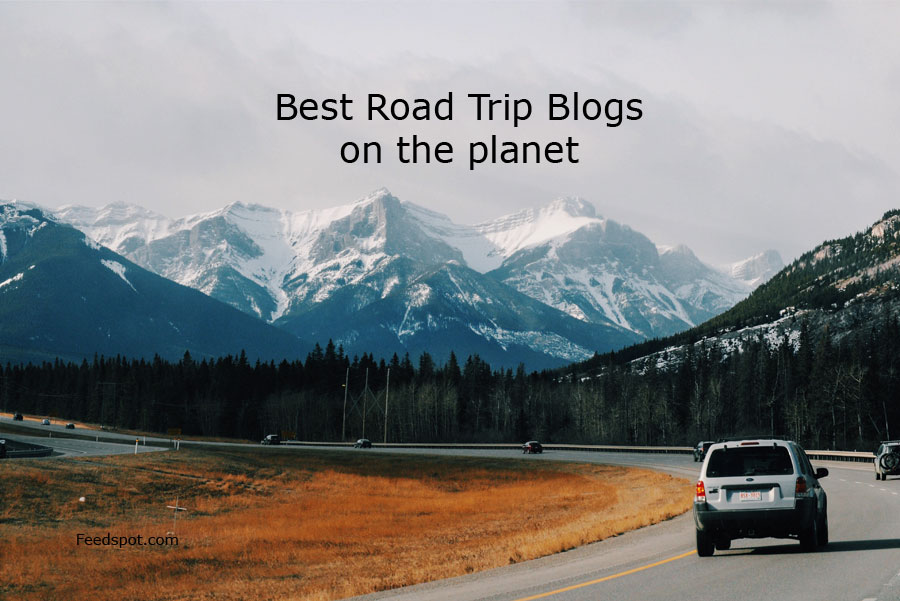
Planning the ultimate American road trip? The sheer scale of possibilities can be overwhelming. Luckily, a wealth of insightful travel blogs exists, offering expert advice, stunning photography, and meticulously crafted itineraries to help you navigate the open road. This exploration delves into the best of these resources, comparing their approaches to route planning, highlighting unique features, and ultimately empowering you to design your dream US adventure.
From budget-conscious backpacking trips to luxurious cross-country drives, these blogs cater to diverse travel styles. We’ll analyze their strengths and weaknesses, examining how they approach crucial aspects of trip planning like budgeting, accommodation, and safety. We’ll also uncover hidden gems and less-traveled routes, showcasing the diverse landscapes and experiences the USA has to offer.
Top US Road Trip Blogs
Planning the perfect US road trip can feel overwhelming, but thankfully, numerous insightful blogs offer expert advice and inspiration. These online resources provide detailed itineraries, practical tips, and captivating stories from experienced road trippers, making the planning process significantly easier and more enjoyable. This section analyzes five prominent US road trip blogs, comparing their strengths and weaknesses to help you choose the best resource for your needs.
Top Five US Road Trip Blogs: A Comparative Analysis
Choosing the “best” road trip blog is subjective and depends on individual preferences. However, based on content quality, update frequency, reader engagement, and overall influence, five blogs consistently stand out. These blogs cater to different travel styles and offer varied perspectives on planning and executing a successful road trip. The ranking presented below considers a combination of factors, and the order shouldn’t be interpreted as a definitive judgment of superiority.
| Blog Name | Focus | Content Style | Unique Features |
|---|---|---|---|
| The Points Guy | Points maximization, budget-conscious luxury | Informative, detailed, data-driven | Expert advice on maximizing travel rewards, detailed cost breakdowns |
| Roadtrippers | Comprehensive trip planning tool, various travel styles | Interactive, visually appealing, practical | Interactive route planner, extensive points of interest database |
| Nomad List | Long-term travel, remote work, budget travel | Practical, community-driven, detailed cost of living information | Extensive database of locations suitable for remote workers and long-term travelers, cost of living comparisons |
| Travel + Leisure | Luxury and upscale travel, curated experiences | Visually stunning, aspirational, high-quality photography | Focus on luxury accommodations, high-end experiences, and destination guides |
| A Wandering Lens | Photography-focused, scenic routes, inspiring imagery | Visually rich, storytelling approach, emphasis on beautiful locations | Stunning photography, detailed descriptions of scenic routes and photo opportunities |
Strengths and Weaknesses of Top Road Trip Blogs
Each blog possesses unique strengths and weaknesses. For example, The Points Guy excels at maximizing rewards points for budget-conscious travelers but might not be ideal for those seeking detailed scenic route suggestions. Conversely, A Wandering Lens offers stunning visuals and inspirational stories but may lack the practical planning advice found on Roadtrippers. Nomad List caters to those planning extended trips and incorporating remote work, a niche that others don’t fully address.
Travel + Leisure provides a curated experience focused on luxury travel, which is not suitable for budget travelers. Roadtrippers provides a balanced approach, catering to various styles through its comprehensive planning tool and vast database. Understanding these nuances helps travelers select the most appropriate resource for their specific road trip needs.
Road Trip Route Planning

Planning the perfect US road trip requires meticulous route planning, encompassing diverse factors from accommodation and sightseeing to budget management. Effective route planning transforms a simple journey into a memorable adventure. This section analyzes the route planning advice from three prominent travel blogs, highlighting their strengths and weaknesses in providing practical and detailed itineraries.
Blog Route Planning Approaches: A Comparative Analysis
Three popular travel blogs—The Points Guy, Roadtrippers, and Nomadic Matt—offer distinct approaches to road trip planning. The Points Guy leans towards a luxurious travel style, incorporating high-end hotels and experiences into its suggested itineraries. Roadtrippers focuses on a more practical, user-friendly approach with detailed map integrations and point-of-interest suggestions, catering to a wider range of budgets. Nomadic Matt, on the other hand, emphasizes budget-conscious travel, offering tips for maximizing experiences while minimizing costs.
Each blog uses a different methodology to present route suggestions, influencing the overall user experience and the practicality of the proposed plans.
Detailed Itinerary Analysis
The Points Guy provides highly detailed itineraries, often including specific hotel recommendations, restaurant choices, and activity suggestions. However, the high cost of these suggestions may make it less accessible to budget travelers. Roadtrippers offers a more customizable experience, allowing users to input their preferences and create personalized routes. This flexibility, while beneficial, can sometimes lead to less structured itineraries.
Nomadic Matt’s itineraries are meticulously planned for budget travelers, offering affordable accommodation options and free or low-cost activities. However, the level of detail may be less comprehensive than that offered by The Points Guy.
Accommodation, Sightseeing, and Budget Considerations
The Points Guy prioritizes luxury accommodations, often suggesting high-end hotels and resorts. Sightseeing recommendations focus on premium experiences, such as exclusive tours or private excursions. Budget is less of a concern, with a focus on quality over affordability. Roadtrippers presents a balanced approach, providing options for various budget levels, with accommodation choices ranging from budget-friendly motels to upscale hotels.
Sightseeing suggestions are diverse, catering to different interests and budgets. Nomadic Matt emphasizes budget-friendly accommodations, such as hostels, camping, and budget hotels. Sightseeing focuses on free or low-cost activities, such as hiking, exploring national parks, and visiting free museums. Budget management is a central theme throughout the planning process.
Methodologies for Presenting Route Suggestions
The Points Guy typically presents itineraries as a structured narrative, guiding the reader through a pre-planned journey. Roadtrippers utilizes interactive maps and customizable tools, allowing users to create their own routes and explore points of interest. Nomadic Matt combines detailed written itineraries with budget breakdowns and practical tips, enabling users to adapt the suggestions to their own circumstances.
Key Differences in Route Planning Approaches
The following bullet points summarize the key differences in the three blogs’ approaches to route planning:
- Budget Focus: The Points Guy prioritizes luxury; Roadtrippers offers a balance; Nomadic Matt emphasizes budget travel.
- Itinerary Detail: The Points Guy provides highly detailed itineraries; Roadtrippers offers customizable routes; Nomadic Matt provides detailed but budget-conscious itineraries.
- Accommodation Suggestions: The Points Guy suggests high-end hotels; Roadtrippers provides options across various price points; Nomadic Matt focuses on budget-friendly accommodations.
- Presentation Methodology: The Points Guy uses a narrative approach; Roadtrippers employs interactive maps; Nomadic Matt combines written itineraries with budget breakdowns.
- User Experience: The Points Guy offers a curated experience; Roadtrippers offers a highly customizable experience; Nomadic Matt provides a practical and budget-focused experience.
Best Practices for US Road Trips
Planning a successful US road trip involves meticulous preparation and consideration of various factors. Synthesizing advice from numerous travel blogs reveals common best practices that significantly enhance the overall experience, transforming a potentially stressful journey into an unforgettable adventure. This guide Artikels essential steps, offering practical examples to aid in your planning.
Budgeting for a US Road Trip
Accurate budgeting is crucial for a stress-free road trip. Unexpected expenses can quickly derail your plans, so thorough planning is key. This includes not only fuel costs but also accommodation, food, activities, and potential vehicle maintenance.
Consider allocating a daily budget encompassing fuel, meals, and accommodation. For example, a daily budget of $150-$250 per person can comfortably cover many routes, but this will vary greatly depending on your chosen destinations and travel style.
Factor in unexpected costs. Allocate a contingency fund for unforeseen repairs, medical emergencies, or spontaneous detours. A 10-20% buffer on your total estimated budget is advisable.
Packing Essentials for a US Road Trip
Packing strategically ensures you have everything you need without being burdened by excess baggage. Prioritize items based on your itinerary and the climate you’ll be experiencing.
Pack versatile clothing items suitable for various weather conditions. Layers are your friend! For example, pack lightweight shirts, a couple of pairs of pants, a light jacket, and a warmer layer for cooler evenings or unexpected changes in weather.
Include essential documents such as driver’s license, vehicle registration, insurance information, and any necessary travel permits or park passes. Consider keeping digital copies in the cloud as a backup.
Pack a well-stocked first-aid kit including bandages, antiseptic wipes, pain relievers, and any personal medications. Ensure all medications are properly labeled and stored.
Safety Precautions for a US Road Trip
Prioritizing safety is paramount during a road trip. Taking necessary precautions can prevent accidents and ensure a smooth journey.
Before you leave, have your vehicle serviced, checking tire pressure, fluids, and brakes. This proactive step minimizes the risk of breakdowns.
Inform someone of your itinerary, including planned routes and estimated arrival times. Regular check-ins with family or friends can provide peace of mind.
Be aware of your surroundings and avoid driving when fatigued. Plan for regular breaks, especially on long stretches of highway. Consider sharing driving responsibilities with a travel companion if possible.
Download offline maps and navigation apps before you depart. This is especially important in areas with limited or no cell service.
Route Planning and Navigation for a US Road Trip
Effective route planning is the backbone of a successful road trip. It dictates the pace, the destinations, and the overall experience.
Utilize online mapping tools and road trip planning websites to create a detailed itinerary. These tools allow you to customize your route, factoring in points of interest, overnight stays, and estimated travel times.
Consider the time of year and potential weather conditions. Adjust your itinerary accordingly to avoid extreme weather or road closures. For example, mountain passes may be closed during winter months.
Research and book accommodations in advance, especially during peak travel seasons. This secures your lodging and avoids last-minute scrambling.
Diverse Road Trip Themes
Many popular travel blogs dedicate significant portions of their content to showcasing the incredible diversity of road trip experiences available across the United States. These blogs go beyond simply listing routes; they delve into the unique character of each journey, weaving together practical travel advice with evocative storytelling and stunning visuals. This allows readers to not only plan their trips effectively but also to truly envision the adventure that awaits them.The range of themes explored is remarkably broad, encompassing everything from the grandeur of national parks to the charm of quaint coastal towns and the historical significance of iconic routes.
Blogs often employ a mix of personal narratives, detailed itineraries, practical tips, and high-quality photography to immerse the reader in the experience. This multi-faceted approach creates a compelling and informative resource for aspiring road-trippers.
Blog Presentation of Diverse Themes
Top travel blogs effectively present diverse road trip themes by skillfully combining high-quality photography and videography with engaging narratives. Images of breathtaking landscapes, charming roadside attractions, and vibrant local cultures are strategically used to illustrate the unique character of each route. The storytelling aspect is crucial, as blogs often incorporate personal anecdotes, historical context, and local insights to enrich the reader’s understanding and appreciation of the destination.
For example, a blog featuring a Route 66 road trip might include images of vintage roadside diners, classic cars, and iconic signage, complemented by stories about the historical significance of the route and the communities it passes through. Similarly, a blog highlighting a national park road trip might showcase stunning panoramic views, close-ups of wildlife, and details about the park’s geological features and ecological significance, interwoven with personal experiences and insights from the blogger.
This combination of visual appeal and narrative depth significantly enhances the reader’s engagement and helps them envision themselves on the road.
Examples of Unique Road Trip Routes
Several blogs highlight less-traveled routes, offering alternative perspectives to the more popular options. For instance, a blog might feature a scenic byway through the Appalachian Mountains, showcasing breathtaking vistas and charming small towns largely untouched by mass tourism. Another might explore a lesser-known coastal route along the Pacific Coast Highway, highlighting hidden coves, secluded beaches, and unique wildlife encounters. These less-traveled routes offer a more intimate and authentic travel experience, allowing travelers to connect more deeply with the landscape and local culture.
Five Unique Road Trip Themes and Potential Destinations
The following list presents five unique road trip themes, along with potential destinations, offering inspiration for those seeking less-conventional adventures.
- Theme: American Craft Beer Trail: This theme focuses on breweries and craft beer culture across the country. Potential destinations include Portland, Oregon; Asheville, North Carolina; and Denver, Colorado.
- Theme: Ghost Towns and Abandoned Places: Explore the history and mystery of abandoned settlements. Potential destinations include Bodie State Historic Park, California; Rhyolite, Nevada; and the ghost towns of Colorado.
- Theme: National Scenic Byways: This theme centers on exploring the designated scenic byways across the country, focusing on natural beauty and unique landscapes. Potential destinations include the Million Dollar Highway in Colorado, the Natchez Trace Parkway, and the Blue Ridge Parkway.
- Theme: Literary Road Trip: This theme focuses on visiting locations significant to famous authors and literary works. Potential destinations include Ernest Hemingway’s Key West, Florida; the homes and haunts of famous authors in New England; and locations related to works of American literature across the country.
- Theme: Stargazing Road Trip: This theme focuses on visiting areas with minimal light pollution for optimal stargazing opportunities. Potential destinations include Cherry Springs State Park, Pennsylvania; Big Bend National Park, Texas; and Chaco Culture National Historical Park, New Mexico.
Related Travel Resources
Planning a successful US road trip requires more than just charting a route. A wealth of resources exists to help you navigate every aspect of your journey, from finding the best deals to ensuring a smooth and safe experience. Effective utilization of these resources can significantly enhance your trip, minimizing stress and maximizing enjoyment.A comprehensive approach to road trip planning involves leveraging various travel resources, each playing a crucial role in different stages of the journey.
Understanding their interconnectedness and individual benefits is key to creating a well-rounded and efficient travel plan. Failing to utilize these resources effectively could lead to unexpected costs, logistical hurdles, and overall reduced enjoyment.
Travel Deal Websites and Apps
Numerous websites and apps specialize in finding discounted flights, hotels, rental cars, and other travel-related services. These platforms often aggregate deals from multiple providers, allowing you to compare prices and find the best options. Examples include Expedia, Kayak, Priceline, and Skyscanner. These resources are invaluable for budget-conscious travelers and can save significant amounts of money. However, be aware that some deals may come with hidden fees or restrictions.
Destination Guides and Travel Blogs
Destination guides, both online and in print, provide detailed information about specific locations, including attractions, activities, restaurants, and accommodation options. Travel blogs offer personal perspectives and insider tips from experienced travelers, often providing a more nuanced and authentic view of a destination. Examples include Lonely Planet, Frommer’s, and numerous individual travel bloggers specializing in specific regions or travel styles.
These resources help in shaping your itinerary and discovering hidden gems.
| Resource Type | Examples | Description |
|---|---|---|
| Travel Insurance Providers | World Nomads, Allianz Travel, Travel Guard | Provides coverage for unexpected events such as medical emergencies, trip cancellations, and lost luggage. Essential for mitigating potential financial risks. |
| Road Trip Planning Apps | Roadtrippers, Google Maps, Waze | Offer route planning, point-of-interest discovery, gas station location, real-time traffic updates, and offline map functionality. Crucial for navigation and efficient route management. |
| Travel Essentials and Gadgets | Portable chargers, GPS devices, first-aid kits, cooler bags, comfortable driving shoes | Items that enhance comfort, safety, and convenience during the road trip. Careful selection ensures a smoother and more enjoyable journey. |
Travel Apps: Benefits and Drawbacks
Travel apps offer numerous benefits, including ease of access to information, real-time updates, and integrated functionalities. For example, apps like Roadtrippers allow users to plan routes, find points of interest, and book accommodations all within one platform. However, relying solely on apps can have drawbacks. Data connectivity issues can render some features unusable, and over-reliance on technology might detract from spontaneous exploration and unexpected discoveries.
Furthermore, app accuracy can vary, and it’s always advisable to have backup plans and offline maps. The benefits of convenience and efficiency must be weighed against the potential downsides of technological dependence.
Embarking on a US road trip is an unforgettable experience, and with the right planning and resources, it can be flawlessly executed. This exploration of top travel blogs provides a comprehensive starting point, offering a curated selection of resources to guide you through every step of the process. Whether you’re seeking inspiration for a specific route, practical advice on budgeting, or simply dreaming of your next adventure, these blogs offer invaluable insights and inspiration to make your American road trip truly exceptional.
FAQ Corner
What’s the best time of year for a US road trip?
The best time depends on your destination and preferences. Spring and fall offer pleasant weather in many regions, while summer can be hot in the Southwest and winter brings snow to the mountains.
How much should I budget for a US road trip?
Budgeting varies greatly depending on your travel style, duration, and route. Expect to factor in gas, accommodation, food, activities, and potential unforeseen expenses.
What are some essential apps for a US road trip?
Useful apps include navigation (Google Maps, Waze), accommodation booking (Airbnb, Booking.com), gas price comparison apps, and offline map options.
How do I handle car maintenance during a long road trip?
Before you leave, get your car serviced. Carry an emergency kit including tools, oil, and jumper cables. Plan for regular maintenance stops, and consider roadside assistance.


