The digital nomad lifestyle, with its blend of adventure and remote work, necessitates reliable information. Finding the right resources can transform a chaotic journey into a seamless experience. This exploration delves into the best travel blogs catering specifically to the needs of digital nomads and remote workers, examining their content, recommended resources, and overall value.
We’ll analyze top blogs, comparing their strengths and weaknesses, identifying common themes, and highlighting the travel resources they frequently recommend. This includes everything from budget-friendly destinations and travel deals to essential apps and crucial travel insurance information. Ultimately, our goal is to equip you with the knowledge to choose the perfect blog to guide your own digital nomad adventure.
Identifying Top Travel Blogs
Finding reliable and engaging travel blogs tailored to the digital nomad and remote worker lifestyle can significantly enhance your experience. These blogs offer invaluable insights into practical aspects of location-independent living, from finding suitable co-working spaces to navigating visa requirements. They provide a community and a wealth of information that can make the transition to a nomadic lifestyle smoother and more enjoyable.
Many blogs cater to this niche audience, providing diverse perspectives and practical tips. Choosing the right ones can save you time and effort, allowing you to focus on the exciting aspects of exploring new locations and building your career remotely.
Top Ten Travel Blogs for Digital Nomads and Remote Workers
The following list showcases ten popular blogs frequently recommended within the digital nomad community. These blogs offer a range of content, from destination guides to practical advice on remote work logistics.
- Nomad List
- The Points Guy
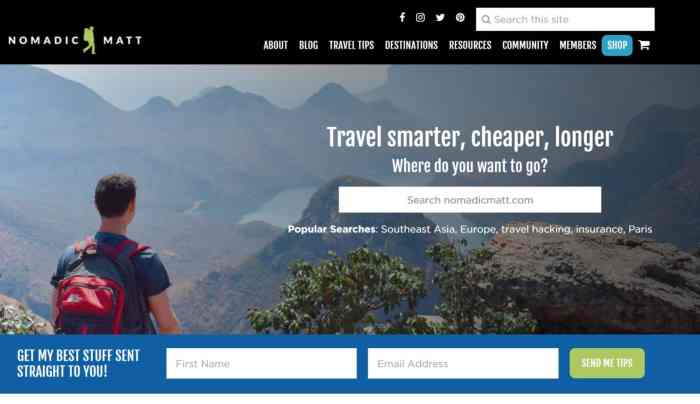
- Nomadic Matt
- Travel Hacker Girl
- Wandering Earl
- Hey Nadine
- Adventurous Kate
- Never Ending Footsteps
- The Broke Backpacker
- Expert Vagabond
Examples of Practical Travel Advice Blog Posts
Many of these blogs feature articles addressing the practical challenges of remote work while traveling. Here are some examples of the types of posts you might find:
- “Best Cities for Digital Nomads in Southeast Asia”: This type of post might detail cost of living, visa requirements, internet speed, and co-working space availability in various cities.
- “How to Stay Productive While Traveling as a Remote Worker”: This would offer tips on time management, combating distractions, and maintaining a healthy work-life balance on the road.
- “Essential Apps and Tools for Digital Nomads”: This post would cover software and applications that streamline remote work, communication, and travel planning.
- “Navigating International Taxes as a Digital Nomad”: This article provides guidance on the complexities of filing taxes when working and living in multiple countries.
Unique Features and Strengths of Three Top-Rated Blogs
Three blogs consistently stand out for their unique approaches and valuable content. A deeper look into their strengths highlights their appeal to digital nomads.
- Nomad List: This blog is known for its extensive database of cities, ranked based on factors crucial for remote workers, such as internet speed, cost of living, and visa requirements. Its data-driven approach provides a practical and objective assessment of various locations.
- Nomadic Matt: This blog offers a wealth of budget-travel advice, particularly relevant to those looking to maximize their travel experiences while managing their finances effectively. Its focus on affordability makes it a valuable resource for budget-conscious digital nomads.
- Travel Hacker Girl: This blog focuses on the female perspective of travel, particularly relevant given the gender imbalance often found in the digital nomad community. It provides a supportive space and addresses issues specific to female travelers, such as safety and solo travel tips.
Comparison of Five Prominent Travel Blogs
This table compares five prominent blogs, highlighting their focus, strengths, and weaknesses. This allows for a more informed choice based on individual needs and preferences.
| Blog Name | Focus | Strengths | Weaknesses |
|---|---|---|---|
| Nomad List | Data-driven city rankings for digital nomads | Comprehensive data, objective assessments, easy comparison | Can lack personal travel stories or subjective experiences |
| Nomadic Matt | Budget travel and long-term travel advice | Extensive budget travel tips, practical advice, engaging writing style | Less focus on luxury travel or high-end experiences |
| Travel Hacker Girl | Female perspective on travel, solo travel, and safety | Community-focused, addresses female-specific concerns, inspirational stories | Less focus on technical aspects of remote work |
| Expert Vagabond | Long-term travel and location independence | In-depth guides, diverse content, experienced perspective | Can be overwhelming due to the sheer volume of content |
| The Points Guy | Travel hacking and maximizing rewards programs | Expert advice on points and miles, saving money on flights and hotels | Less focus on the practicalities of long-term remote work |
Content Analysis of Popular Blogs
Analyzing popular travel blogs for digital nomads and remote workers reveals recurring patterns in content, style, and audience engagement. Understanding these trends provides valuable insights for both aspiring bloggers and those seeking reliable travel information. This analysis focuses on identifying common themes, writing styles, and engagement levels across a selection of prominent blogs in this niche.
Several key factors contribute to a blog’s success within this specific niche. High-quality photography, practical advice, and a relatable personal voice are often cited as crucial elements. The frequency of posting and the overall blog’s design and usability also play significant roles in attracting and retaining readers.
Common Themes and Topics
The most successful blogs in this niche share a common thread: providing practical, actionable information to digital nomads and remote workers. This often translates into specific topic clusters that resonate with the target audience.
- Visa and Immigration Information: Many blogs offer detailed guides on obtaining visas for various countries, highlighting the specific requirements and processes for remote workers. This often includes personal anecdotes and tips for navigating bureaucratic hurdles.
- Cost of Living Comparisons: Readers frequently seek information on the cost of living in different locations, comparing expenses like rent, food, and transportation. Blogs often provide detailed breakdowns and personal budgeting tips.
- Finding Co-working Spaces and Remote-Friendly Cafés: Identifying reliable and productive work environments is crucial for digital nomads. Blogs often feature reviews and recommendations for co-working spaces and cafes in various cities.
- Travel Tips and Recommendations: Beyond the practical aspects of remote work, many blogs incorporate travel advice, including recommendations for accommodation, transportation, and local attractions.
- Health and Safety Advice: Maintaining health and safety while traveling is a key concern. Blogs often address this by providing advice on travel insurance, vaccinations, and staying safe in unfamiliar environments.
Writing Styles and Approaches
The writing styles employed by these blogs vary significantly, reflecting the individual personalities and experiences of the bloggers. However, certain approaches tend to be more effective in engaging the target audience.
- Personal Storytelling: Many blogs incorporate personal anecdotes and experiences, making the content more relatable and engaging. This often involves sharing both successes and challenges encountered on the road.
- Practical and Actionable Advice: The focus is often on providing concrete, practical advice that readers can immediately implement in their own lives. This includes detailed guides, checklists, and step-by-step instructions.
- Visual Appeal: High-quality photography and videography are crucial for attracting and retaining readers. Visual content helps to bring the travel experiences to life and makes the blog more appealing.
- Community Building: Some blogs actively foster a sense of community by encouraging comments and interaction among readers. This can involve creating forums or social media groups.
Engagement Levels
Measuring engagement across various blogs requires analyzing metrics such as comments, shares, and social media interactions. The level of engagement often reflects the quality of content, writing style, and the blogger’s ability to connect with their audience.
While precise figures are not readily available without specific blog analysis, it’s generally observed that blogs with a strong focus on personal storytelling, high-quality visuals, and practical advice tend to generate higher levels of engagement. Blogs that actively encourage comments and interaction through social media also tend to see higher levels of reader participation. For example, blogs that offer exclusive content or run contests often experience spikes in engagement.
Travel Resources Mentioned in Blogs
Digital nomad and remote worker travel blogs frequently recommend a variety of resources to streamline the travel experience and maximize budget efficiency. These resources span various categories, from finding affordable flights and accommodation to navigating international travel and staying connected. Understanding the advantages and disadvantages of these resources is crucial for making informed decisions and tailoring your travel strategy to your specific needs.Many blogs highlight the importance of leveraging specific tools and platforms to optimize travel planning and execution.
This section details commonly recommended resources, categorizing them for clarity and providing insights into their respective pros and cons. The ideal digital nomad will find these resources invaluable in managing the complexities of location-independent work and travel.
Travel Deals and Booking Platforms
Numerous blogs emphasize the importance of securing cost-effective travel arrangements. This often involves using specialized websites and platforms designed to aggregate deals and offers.
- Skyscanner: A metasearch engine comparing flight prices across multiple airlines and travel agencies. Advantages: Wide selection, often finds cheaper options. Disadvantages: Can be overwhelming due to sheer volume of results; may not include all airlines.
- Google Flights: Another powerful metasearch engine with advanced features like price tracking and flexible date searches. Advantages: User-friendly interface, excellent price tracking tools. Disadvantages: Similar to Skyscanner, the sheer volume of results can be daunting.
- Booking.com/Airbnb: Popular platforms for finding accommodation ranging from budget-friendly hostels to luxury apartments. Advantages: Wide selection, user reviews, secure payment systems. Disadvantages: Booking fees can add up; availability varies greatly depending on location and season.
Travel Apps
Mobile applications have revolutionized the way digital nomads plan and manage their trips. These apps provide functionalities ranging from offline maps and translation to budgeting and currency conversion.
- Google Maps/Maps.me: Essential for navigation, especially in areas with limited internet access. Advantages: Offline maps, detailed information, real-time traffic updates (when online). Disadvantages: Maps.me’s data might not be as up-to-date as Google Maps.
- XE Currency Converter: Provides real-time exchange rates and helps manage budgeting across different currencies. Advantages: Accurate and up-to-date exchange rates. Disadvantages: Relies on an internet connection for real-time data.
- TripIt: Aggregates all travel bookings (flights, hotels, etc.) into a single itinerary. Advantages: Centralized travel planning, easy sharing of itineraries. Disadvantages: Requires manual input of booking details.
Travel Insurance
Protecting oneself against unforeseen circumstances is paramount, particularly for those traveling extensively. Travel insurance provides a safety net for medical emergencies, lost luggage, and trip cancellations.
- World Nomads: A popular choice among digital nomads offering comprehensive coverage for various activities. Advantages: Tailored plans for different travel styles, good customer support. Disadvantages: Can be relatively expensive compared to basic plans.
- SafetyWing: A more affordable option specifically designed for remote workers and long-term travelers. Advantages: Affordable premiums, good coverage for medical emergencies. Disadvantages: Coverage might be limited for certain activities or pre-existing conditions.
Visa and Immigration Resources
Navigating visa requirements is a critical aspect of long-term travel. Blogs often recommend resources to help digital nomads understand and comply with immigration regulations.
- iVisa: A platform that simplifies the visa application process for many countries. Advantages: Streamlines the application process, provides guidance on required documents. Disadvantages: Fees can be substantial; not all countries are supported.
- Government websites: The most reliable source of information regarding visa requirements. Advantages: Accurate and official information. Disadvantages: Can be complex and difficult to navigate.
Ideal Digital Nomad Profile Benefiting from These Resources
The ideal digital nomad who benefits most from these resources is someone who values efficiency, cost-effectiveness, and security while traveling and working remotely. This individual is likely to be comfortable using technology, proactive in planning, and prioritizes both financial savings and risk mitigation. They are typically engaged in long-term travel and appreciate tools that simplify the complexities of international travel and remote work.
Visual Representation of Travel Information
Visual aids are crucial for digital nomads and remote workers planning their travels. Infographics and detailed packing lists help organize essential information and streamline the preparation process, minimizing stress and maximizing efficiency. This section provides visual representations of key aspects of travel planning for this demographic.
Essential Travel Gadgets for Digital Nomads
This infographic depicts a stylized suitcase opened to reveal key gadgets. The suitcase is a vibrant blue, suggesting mobility and freedom. Inside, several items are neatly arranged, each labeled with its name and a brief description of its function. A high-quality laptop takes center stage, representing the core of remote work. A portable external hard drive sits beside it, emphasizing data security and backup.
A power bank is shown, highlighting the importance of reliable power sources while traveling. A noise-canceling headset is included for focus and productivity, especially in shared workspaces. A universal travel adapter is also depicted, representing the need for adaptability across different countries. Finally, a lightweight and compact portable printer is shown, for handling documents and paperwork on the go.
The overall design is clean and modern, using a minimalist color scheme to ensure readability and impact.
One-Month Digital Nomad Packing List
Planning a packing list for a month-long trip requires careful consideration. Overpacking is a common mistake, leading to unnecessary weight and hassle. This list balances practicality with efficiency.
Clothing:
- 4-5 versatile tops (mix and match)
- 2 pairs of comfortable pants
- 1 pair of jeans
- 1 light jacket or sweater
- Underwear and socks for 14 days (laundry is feasible)
- 1 pair of comfortable walking shoes
- 1 pair of sandals or flip-flops
- Swimsuit (if applicable)
Electronics & Work:
- Laptop
- Portable charger
- Universal travel adapter
- Noise-canceling headphones
- External hard drive
Toiletries & Essentials:
- Travel-sized toiletries
- First-aid kit
- Sunscreen
- Insect repellent
- Medications (with prescriptions)
Documents & Other:
- Passport and visa (if required)
- Copies of important documents (stored separately)
- Credit cards and debit cards
- Small backpack or day bag
- Reusable water bottle
Obtaining Travel Insurance for Remote Workers
This infographic is structured as a flowchart. It begins with the question “Need Travel Insurance?” A “yes” branch leads to a series of steps: Researching different providers, comparing coverage options (medical, lost luggage, trip cancellation), selecting a plan that fits the needs and budget, filling out the application, making the payment, and receiving confirmation. A “no” branch simply leads to the end.
Each step is visually represented by a distinct icon (magnifying glass for research, scales for comparison, etc.). The overall design is clean and easy to follow, guiding users through the process of obtaining travel insurance in a straightforward manner. Color-coding is used to highlight key decisions and steps. For example, green could indicate positive actions and red could indicate potential risks or issues to be aware of.
Travel Deals and Destinations
Finding the right balance between adventure and affordability is key for digital nomads. This section explores budget-friendly destinations popular with remote workers, alongside common travel deals advertised on prominent travel blogs, and the factors driving the popularity of certain locations. Understanding these elements can significantly impact the overall travel experience and budget.
Many factors contribute to a destination’s appeal for digital nomads. Cost of living, reliable internet access, and the availability of engaging activities all play crucial roles. Furthermore, the ease of obtaining visas and the overall safety and security of a location are also important considerations.
Budget-Friendly Destinations for Digital Nomads
Several locations consistently rank highly among digital nomads seeking a balance between affordability and a vibrant lifestyle. Southeast Asia, for example, offers numerous options with low costs of living, coupled with excellent internet infrastructure in many areas. Latin America also presents attractive options, particularly in countries like Mexico and Colombia, where the cost of living is relatively low, and the culture is rich and welcoming.
Eastern European countries, such as Portugal and Romania, are also increasingly popular, offering a blend of affordability and a good quality of life.
Examples of Travel Deals
Travel blogs frequently highlight deals on flights and accommodation. Websites like Skyscanner and Google Flights are often mentioned as resources for finding affordable airfare, particularly when booking in advance or during off-season periods. Accommodation deals are often found through platforms like Airbnb, Booking.com, and Hostelworld, with discounts frequently available for longer stays. Many blogs also emphasize the value of utilizing loyalty programs and credit card rewards to reduce travel expenses.
Specific deals vary greatly depending on the time of year and destination.
Factors Influencing Destination Popularity
The popularity of a destination among remote workers is a complex interplay of several factors. Cost of living is a major driver; destinations with lower costs of living naturally attract more budget-conscious individuals. Reliable and affordable internet access is also crucial, as consistent connectivity is essential for remote work. Beyond practical considerations, the availability of engaging activities, a welcoming community, and a pleasant climate significantly influence a location’s attractiveness.
Safety and visa requirements are also critical considerations for many digital nomads.
Destinations Table
| Destination | Cost of Living (USD/month, estimate) | Internet Access | Activities |
|---|---|---|---|
| Chiang Mai, Thailand | $600 – $1500 | Generally excellent, readily available | Temples, hiking, cooking classes, vibrant night markets |
| Medellin, Colombia | $800 – $2000 | Good in most areas, improving infrastructure | Coffee farms, nightlife, salsa dancing, hiking in the Andes |
| Lisbon, Portugal | $1200 – $2500 | Excellent, widespread fiber optic availability | Historic sites, beaches, vibrant culture, delicious food |
| Budapest, Hungary | $1000 – $2000 | Good, improving infrastructure | Thermal baths, ruin bars, historical sites, museums |
Essential Travel Information for Remote Workers
Embarking on a journey as a digital nomad or remote worker requires meticulous planning and preparation. Understanding essential travel information is crucial for a smooth and productive experience, ensuring both personal safety and professional success while on the move. This section will highlight key aspects of travel preparation that are particularly relevant to those working remotely.
Travel Insurance for Digital Nomads
Travel insurance is not merely a suggestion; it’s a necessity for digital nomads. It provides a safety net against unforeseen circumstances, protecting your financial investment and well-being. Comprehensive travel insurance should cover medical emergencies, trip cancellations or interruptions, lost or stolen belongings, and even liability for accidents. The cost of medical treatment abroad can be astronomical, and without insurance, a single incident could wipe out your savings.
Consider policies that specifically address the needs of remote workers, including coverage for lost equipment or interrupted work. For example, a policy might cover the cost of replacing a stolen laptop or reimbursing lost income due to a delayed flight disrupting a crucial online meeting.
Benefits of Using Travel Apps for Trip Planning and Management
Numerous travel apps simplify the complexities of planning and managing trips. These applications offer features like flight and accommodation booking, itinerary management, currency conversion, offline maps, and translation services. Using such apps streamlines the planning process, saves time, and provides readily accessible information while on the go. For instance, apps like Google Trips (now integrated into Google Maps) allow you to create and manage itineraries, book flights and hotels, and store important travel documents.
Other apps specialize in specific needs, such as finding coworking spaces (e.g., Coworker) or secure Wi-Fi hotspots (e.g., WiFi Map).
Essential Travel Documents and Items for Remote Workers
Having the right documents and equipment is paramount for seamless remote work while traveling. This goes beyond the usual passport and visa requirements.
- Passport and Visas: Ensure your passport is valid for at least six months beyond your intended travel dates and obtain any necessary visas well in advance.
- Work Permits (if applicable): If your work requires a specific work permit in your destination country, secure it before your departure.
- Copies of Important Documents: Keep digital and physical copies of your passport, visas, insurance information, and other essential documents stored separately.
- Laptop and Charger: A reliable laptop is your primary work tool. Ensure your charger is compatible with the local power outlets.
- Portable Wi-Fi Hotspot or International SIM Card: Reliable internet access is critical. A portable hotspot or an international SIM card provides connectivity regardless of location.
- Universal Power Adapter: Different countries use different power outlets. A universal adapter ensures your devices are always charged.
- First-Aid Kit: A small, well-stocked first-aid kit can handle minor injuries and illnesses.
Securing Reliable Internet Access While Traveling
Consistent and reliable internet access is the lifeblood of remote work. Without it, productivity grinds to a halt. Research internet options at your destination before you arrive. Consider options such as local SIM cards, portable Wi-Fi hotspots, or coworking spaces with high-speed internet. Many cafes and hotels offer Wi-Fi, but its reliability can be unpredictable.
A backup plan, like a portable hotspot, is crucial for situations where primary internet access fails. Understanding local internet infrastructure and pricing before arrival will prevent connectivity surprises. For example, some regions may have limited 4G coverage, requiring reliance on Wi-Fi, while others may have expensive data plans.
Navigating the world as a digital nomad requires careful planning and access to reliable information. This overview of top travel blogs provides a starting point for your research, highlighting key resources and insights to enhance your remote work travel experience. By leveraging the knowledge and recommendations shared by experienced digital nomads, you can confidently embark on your own adventures, knowing you have the right tools and guidance to make the most of your journey.
FAQ Insights
What visa requirements should I consider as a digital nomad?
Visa requirements vary drastically by country. Thorough research is crucial, often involving checking the specific rules of each country you plan to visit. Websites like the respective country’s embassy or consulate websites are the best source for accurate and up-to-date information.
How can I stay safe while traveling and working remotely?
Prioritize personal safety by sharing your itinerary with trusted contacts, being aware of your surroundings, and using reputable transportation and accommodation. Invest in travel insurance that covers medical emergencies and lost belongings. Additionally, use strong passwords and secure Wi-Fi connections to protect your data.
What are the best ways to find affordable accommodation as a digital nomad?
Websites like Airbnb, Booking.com, and Hostelworld offer a range of options. Consider longer-term stays for potential discounts. Co-living spaces and serviced apartments can also be cost-effective alternatives to hotels, particularly for extended stays.


