Exploring the world on a budget is no longer a distant dream. This guide unveils incredible travel destinations perfect for backpackers operating on a daily budget of $50 or less. We’ll delve into diverse regions, from the vibrant cultures of Southeast Asia to the breathtaking landscapes of South America and the historical richness of Europe. Discover practical tips, budget-friendly strategies, and essential resources to make your backpacking adventure both affordable and unforgettable.
We’ll examine various aspects of budget travel, including finding affordable accommodation (hostels, Couchsurfing), utilizing cost-effective transportation methods, and uncovering hidden gems and free activities. Safety and health considerations will also be addressed, providing you with the knowledge to travel responsibly and confidently. Prepare to embark on an enriching journey without breaking the bank!
Southeast Asia
Southeast Asia offers an unparalleled backpacking experience for budget travelers. With its diverse cultures, stunning landscapes, and incredibly affordable prices, it’s a region perfectly suited for those aiming to maximize their travel experience while minimizing their spending. This section details a possible month-long itinerary, compares the backpacking experiences in three key countries, and provides a cost comparison to help you plan your own Southeast Asian adventure.
A Month-Long Southeast Asia Backpacking Itinerary ($50 Daily Budget)
This itinerary prioritizes cost-effectiveness while still allowing for a rich cultural and adventurous experience. It focuses on Thailand, Vietnam, and Laos, offering a diverse range of activities and sights. Remember that prices can fluctuate, and this is a suggested plan adaptable to your preferences.
Week 1: Thailand (Bangkok & Chiang Mai)
Fly into Bangkok (budget airlines often offer affordable flights from neighboring countries). Explore Bangkok’s vibrant street food scene, visit iconic temples like Wat Arun and Wat Pho, and navigate the bustling Chatuchak Weekend Market. Stay in hostels (dorm rooms average $10-$15/night). Travel to Chiang Mai by overnight bus (around $20). Explore Chiang Mai’s old city, visit Doi Suthep temple, and consider a cooking class or elephant sanctuary visit (budget for activities accordingly).
Week 2: Laos (Luang Prabang & Vang Vieng)
Take a bus from Chiang Mai to Luang Prabang, Laos (expect a long journey, but overnight buses are comfortable and budget-friendly). Explore Luang Prabang’s serene temples, visit the Kuang Si Falls, and experience the daily alms giving ceremony. Stay in budget guesthouses ($10-$15/night). Travel to Vang Vieng by slow boat or bus, enjoying the scenic landscapes. Vang Vieng offers stunning karst mountains and opportunities for kayaking or tubing (factor in activity costs).
Week 3: Vietnam (Hanoi & Ha Long Bay)
Fly from Luang Prabang to Hanoi, Vietnam (again, budget airlines are your friend). Explore Hanoi’s Old Quarter, visit Hoan Kiem Lake, and enjoy the delicious street food. Stay in hostels ($10-$15/night). Take a day trip or overnight cruise to Ha Long Bay, a UNESCO World Heritage site with stunning limestone karsts and emerald waters (book tours in advance for better prices).
Week 4: Vietnam (Hoi An & Ho Chi Minh City)
Take an overnight train from Hanoi to Hoi An (a comfortable and scenic option). Explore Hoi An’s ancient town, get clothes tailored, and relax on An Bang Beach. Stay in budget-friendly homestays ($10-$20/night). Travel to Ho Chi Minh City by bus or train. Explore the city’s bustling markets, visit the War Remnants Museum, and experience the vibrant nightlife.
Fly out from Ho Chi Minh City.
Comparing Backpacking Experiences in Thailand, Vietnam, and Laos
Thailand offers a good balance of affordability, cultural richness, and a wide range of activities. It’s well-established for tourism, making it easy to navigate and find resources. Vietnam offers a similar level of affordability but with a different cultural landscape and a focus on history and natural beauty. Laos, while equally affordable, provides a more laid-back and less touristy experience, emphasizing nature and cultural authenticity.
Each country offers unique strengths, making a multi-country trip worthwhile.
Average Daily Costs in Southeast Asia
This table provides estimated average daily costs, remembering that these can vary based on your spending habits and travel style.
| Country | Food | Accommodation | Activities |
|---|---|---|---|
| Thailand | $10-$15 | $10-$20 | $10-$25 |
| Vietnam | $8-$12 | $8-$15 | $5-$20 |
| Laos | $8-$12 | $8-$15 | $5-$15 |
South America
South America offers an incredible backpacking experience, brimming with diverse landscapes, vibrant cultures, and thrilling adventures. For budget-conscious travelers, navigating this continent on a $50 daily budget is achievable with careful planning and resourcefulness. This section will explore practical tips for maximizing your South American adventure while staying within your budget and ensuring a safe and culturally sensitive journey.South America’s vastness and diverse climates mean packing strategically is key.
Lightweight, quick-drying clothing is essential, alongside comfortable walking shoes suitable for varied terrains. Learning basic Spanish phrases will greatly enhance your interactions with locals and open doors to richer cultural experiences. Prioritizing free activities like hiking, exploring markets, and visiting free museums will help significantly stretch your budget.
Budgeting and Accommodation in South America
Maintaining a $50 daily budget in South America is possible, but requires mindful spending. Food costs can be minimized by eating at local markets and smaller restaurants, avoiding tourist traps. Transportation can be cost-effective using local buses, which are often cheaper and more scenic than other options. Accommodation choices significantly impact your daily expenditure.
Hostels versus Couchsurfing in South America
Hostels offer a social atmosphere, shared facilities, and often include breakfast, reducing food costs. They typically range from $10-$30 per night, leaving ample room in your budget for other activities. Couchsurfing, while free, requires more planning and involves a higher degree of trust. It offers a unique cultural immersion experience, allowing you to connect with locals and gain insider knowledge.
However, it’s crucial to thoroughly vet hosts and prioritize safety precautions. The choice between hostels and Couchsurfing depends on individual preferences regarding social interaction, safety comfort levels, and the desired level of cultural exchange.
A Visual Guide to South American Backpacking
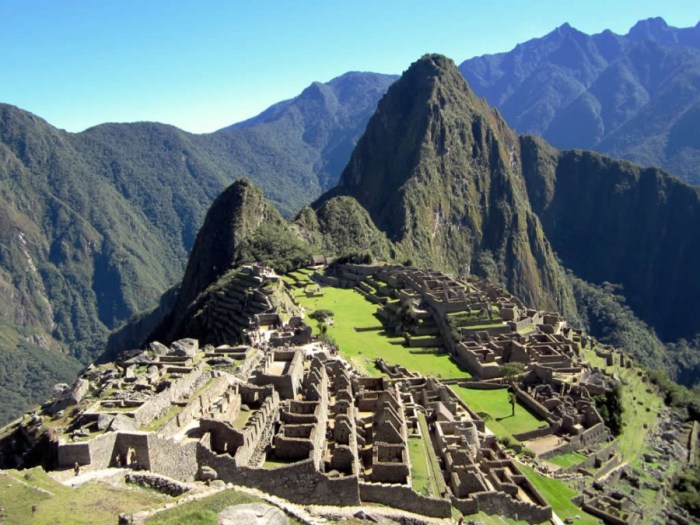
Imagine vibrant, bustling markets overflowing with exotic fruits and handicrafts. Picture yourself trekking through the lush Amazon rainforest, encountering incredible biodiversity. Visualize the majestic Andes Mountains, their snow-capped peaks piercing the clear blue sky, offering breathtaking hiking opportunities. Envision yourself exploring ancient Inca ruins, steeped in history and mystery, standing as testaments to a remarkable civilization. Consider relaxing on pristine beaches, the warm sand between your toes, the turquoise ocean stretching to the horizon.
Imagine dancing to the rhythm of lively South American music, surrounded by friendly locals sharing their culture and traditions. These diverse experiences, from the bustling city streets of Buenos Aires to the serene landscapes of Patagonia, encapsulate the essence of South American backpacking.
Europe
Europe, a continent rich in history and culture, can seem prohibitively expensive for backpackers. However, with careful planning and a focus on Eastern Europe, it’s possible to explore this diverse region on a budget of under $50 a day. This involves strategic choices in accommodation, transportation, and food, allowing for a fulfilling backpacking experience without breaking the bank.
Affordable Accommodation, Transportation, and Food in Eastern Europe
Finding budget-friendly options in Eastern Europe is key to keeping costs down. Hostels are readily available in most cities and towns, offering dorm beds for as little as €15-€25 per night. Consider booking in advance, especially during peak season, to secure the best rates. For transportation, utilizing budget airlines like Ryanair and Wizz Air can significantly reduce travel costs between countries.
Internal travel within a country is often best achieved via overnight trains, which are surprisingly affordable and offer a unique travel experience. Eating like a local is another vital strategy; avoid tourist traps and opt for smaller, family-run restaurants or explore local markets for fresh produce to prepare your own meals. A simple meal at a local eatery can cost as little as €5-€10.
Cost Comparison: Western Europe vs. Eastern Europe
Backpacking in Western Europe is considerably more expensive than in Eastern Europe. For instance, a hostel bed in a major Western European city like Amsterdam or Paris could easily cost €30-€50 per night, while a similar hostel bed in Prague or Budapest might cost half that. A simple meal in Western Europe can easily cost €15-€25, compared to €5-€10 in Eastern Europe.
Transportation costs also differ significantly; a train journey between two major cities in Western Europe can be considerably more expensive than a similar journey in Eastern Europe. For example, a train ticket from Paris to Amsterdam might cost upwards of €100, whereas a comparable journey in Eastern Europe might cost €30-€50. These differences highlight the significant cost savings achievable by focusing on Eastern European countries.
Free and Low-Cost Activities and Attractions in Major European Cities
Many major European cities offer a wealth of free or low-cost activities, perfect for the budget-conscious backpacker.
Exploring the many free attractions available is crucial to maximizing your backpacking experience without compromising on cultural immersion.
- Free Walking Tours: Many cities offer free walking tours, providing a great introduction to the city’s history and culture. Tips are appreciated but not mandatory.
- Parks and Gardens: Spend an afternoon relaxing in one of the many beautiful parks and gardens found across Europe. Many offer stunning views and a peaceful escape from the bustling city.
- Museums on Free Days: Many museums offer free admission on specific days of the week or during certain hours. Check their websites in advance to plan your visit accordingly.
- Free Concerts and Events: Look out for free concerts, festivals, and other events taking place in public spaces throughout the year.
- Exploring Local Markets: Immerse yourself in the local culture by visiting farmers’ markets or flea markets. These offer a great opportunity to sample local produce and find unique souvenirs at affordable prices.
- Cathedrals and Churches: Many stunning cathedrals and churches are free to enter, offering a glimpse into the city’s religious and architectural heritage.
Finding and Utilizing Travel Deals
Budget backpacking doesn’t mean sacrificing amazing experiences. Smart planning and resourcefulness are key to maximizing your travel budget and unlocking incredible adventures. By strategically utilizing online tools and adopting savvy travel habits, you can significantly reduce your daily expenses and explore more of the world. This section will Artikel effective strategies for finding and leveraging travel deals to keep your backpacking journey affordable.Finding budget flights and reliable transportation options is crucial for keeping costs low.
Utilizing flight comparison websites allows you to quickly compare prices from various airlines, often revealing significant savings. Similarly, understanding the nuances of transportation within your chosen destination, such as utilizing local buses or trains instead of taxis, can drastically reduce travel expenses. Traveling during the off-season also offers substantial discounts on flights and accommodation.
Budget Flight and Transportation Strategies
Effective utilization of flight comparison websites such as Skyscanner, Google Flights, and Kayak is paramount. These websites aggregate flight data from numerous airlines, allowing for easy price comparison and the identification of the best deals. Consider flexible travel dates, as prices often fluctuate depending on the day of the week and time of year. Booking flights well in advance can also sometimes lead to lower fares, although this is not always the case.
For intercity travel within a country, explore options like budget airlines (e.g., AirAsia in Southeast Asia, Ryanair in Europe) and local bus or train networks, which are usually far cheaper than taxis or private car services. For example, a bus journey from Bangkok to Chiang Mai in Thailand is significantly cheaper than a flight and offers a unique cultural experience.
Traveling during the off-season (typically avoiding peak tourist months) can yield substantial savings on both flights and ground transportation.
Leveraging Travel Deal Websites and Apps
Numerous websites and apps specialize in aggregating travel deals, including accommodation and tours. Websites like Booking.com, Hostelworld, and Airbnb offer a wide range of budget-friendly accommodation options, from hostels to guesthouses. Many of these platforms also offer discounts and promotions, particularly during off-peak seasons. Similarly, apps like GetYourGuide and Viator offer discounted tours and activities, often with the option to book in advance and secure a better price.
For instance, booking a walking tour of a city a week in advance might offer a lower price than booking on the day of the tour. Comparing prices across multiple platforms before booking is crucial to securing the best possible deal.
Utilizing Travel Blogs and Forums
Travel blogs and forums are invaluable resources for uncovering hidden gems and budget-friendly travel tips. Experienced backpackers often share insider knowledge about affordable accommodation, local transportation hacks, and free activities. Forums such as TripAdvisor and Reddit’s travel subreddits offer a wealth of user-generated content, including reviews and recommendations from fellow travelers. Blogs often provide detailed itineraries and budget breakdowns, offering practical insights into managing expenses on the road.
For example, a blog post might detail how to access free walking tours in a specific city or suggest affordable food options that are popular among locals. Engaging with the travel community online can provide invaluable advice and inspiration, leading to a more enriching and budget-friendly backpacking experience.
Essential Travel Information and Resources
Planning a backpacking trip requires careful consideration of various factors to ensure a smooth and safe journey. This section Artikels essential travel documents, necessary items, the importance of insurance, and helpful technological tools to make your backpacking adventure easier and more enjoyable. Thorough preparation minimizes unforeseen problems and allows you to focus on the experiences themselves.
Essential Travel Documents and Packing Suggestions
Before embarking on your backpacking journey, gathering the correct documentation is paramount. This includes not only your passport but also crucial supporting documents that can prevent significant issues. Similarly, packing efficiently and strategically can significantly impact your comfort and enjoyment throughout your travels.
- Passport: Ensure your passport is valid for at least six months beyond your intended return date. Many countries require this minimum validity period for entry.
- Visas: Check visa requirements for each country you plan to visit well in advance. Visa application processes can take time, and some require appointments or additional documentation.
- Flight/Transportation Bookings: Print or digitally save copies of all your flight, bus, or train tickets. Having access to this information offline is crucial if you experience internet connectivity issues.
- Travel Insurance Information: Keep your insurance policy details readily accessible, including contact numbers for emergencies.
- Copies of Important Documents: Make photocopies of your passport, visa, and other important documents. Store these separately from the originals. Consider storing digital copies in a cloud service as well.
- Emergency Contact Information: Carry a list of emergency contacts, including family, friends, and your embassy or consulate.
- Packing Suggestions: Pack light! Choose versatile clothing items that can be mixed and matched. Consider quick-drying materials and prioritize comfortable, durable footwear.
- First-aid kit: A basic first-aid kit including pain relievers, antiseptic wipes, bandages, and any personal medications is essential.
- Money Belt/Hidden Pouch: Protect your valuables by using a money belt or hidden pouch to carry your passport, cash, and credit cards.
Travel Insurance Coverage for Backpackers
Travel insurance is not a luxury but a necessity for backpackers. It provides financial protection against unexpected events and medical emergencies that can arise during your travels. Various levels of coverage cater to different needs and budgets.
Comprehensive travel insurance policies typically cover medical expenses, emergency evacuation, lost luggage, trip cancellations, and personal liability. Specific coverage can vary widely between providers, so carefully review policy details before purchasing. Consider adding adventure sports coverage if you plan on engaging in activities such as hiking, rock climbing, or watersports.
Useful Travel Apps
Several mobile applications significantly simplify various aspects of backpacking. These apps can save you time, money, and potentially avoid stressful situations.
- Navigation: Google Maps (offline maps are crucial), Maps.me
- Translation: Google Translate, Microsoft Translator
- Currency Conversion: XE Currency Converter, Wise
- Accommodation Booking: Booking.com, Hostelworld, Airbnb
- Transportation Booking: Rome2rio, Skyscanner, Grab (Southeast Asia), Uber/Lyft (where available)
Backpacking on a $50 daily budget opens doors to extraordinary experiences worldwide. This guide has equipped you with the knowledge and strategies to navigate diverse destinations, from finding affordable flights and accommodation to prioritizing safety and health. Remember to embrace the unexpected, engage with local cultures, and cherish the memories made during your budget-friendly adventure. The world awaits – explore responsibly and affordably!
FAQ Explained
What’s the best time of year to travel to Southeast Asia on a budget?
Generally, the shoulder seasons (April-May and September-October) offer a balance of pleasant weather and fewer crowds, resulting in lower prices.
How can I stay safe while backpacking alone?
Prioritize safety by sharing your itinerary with someone at home, being aware of your surroundings, avoiding walking alone at night, and using reputable transportation.
What are some essential apps for budget backpacking?
Consider apps like Google Translate, Maps.me (offline maps), XE Currency Converter, and booking platforms like Hostelworld or Booking.com.
Can I really travel comfortably on $50 a day?
Yes, but it requires careful planning and budgeting. This amount is achievable in many destinations, particularly in Southeast Asia and parts of South America, but may be challenging in Western Europe.
What if I get sick while backpacking?
Comprehensive travel insurance is crucial. It covers medical expenses, emergency evacuations, and other unforeseen circumstances.


