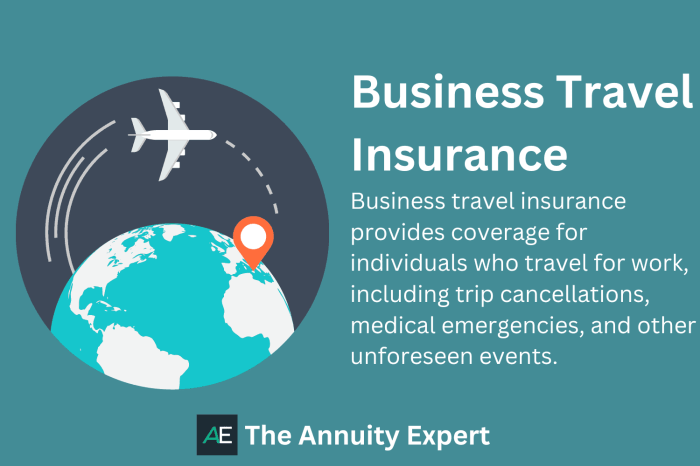
Business travel, while essential for career advancement and company success, exposes you to unforeseen risks. From unexpected medical emergencies in unfamiliar countries to flight cancellations that disrupt crucial meetings, the potential for significant financial and logistical setbacks is substantial. Investing in comprehensive travel insurance can act as a crucial safety net, mitigating these risks and ensuring business continuity, even when the unexpected occurs.
This proactive measure protects not only your financial well-being but also your peace of mind, allowing you to focus on the objectives of your trip.
The cost of medical care abroad can be astronomical, and navigating foreign healthcare systems without insurance can be incredibly complex and stressful. Similarly, trip cancellations or disruptions can lead to substantial losses due to non-refundable flights, accommodation, and other expenses. Travel insurance offers a range of coverage options, including medical emergencies, trip cancellations, baggage loss, and even legal liability, providing essential protection against these potential disruptions.
Financial Protection on Business Trips
Business travel, while crucial for career advancement and company success, exposes individuals to unforeseen financial risks. Unexpected medical emergencies, trip cancellations, and lost or damaged belongings can quickly escalate into significant expenses, potentially impacting both personal finances and a company’s bottom line. Travel insurance provides a crucial safety net, mitigating these risks and offering peace of mind during business trips.
The potential financial losses associated with business travel can be substantial. A simple medical emergency abroad can result in tens of thousands of dollars in hospital bills, especially in countries with high healthcare costs. Trip cancellations due to unforeseen circumstances, such as severe weather or family emergencies, can lead to non-refundable airfare, hotel bookings, and other pre-paid expenses.
Furthermore, the loss or theft of valuable business equipment, such as laptops or cameras, can represent a considerable financial setback.
Examples of Financial Burdens Mitigated by Travel Insurance
Consider these scenarios: A business executive falls ill during a crucial conference in Japan, requiring emergency surgery and hospitalization. Without travel insurance, the medical bills alone could easily exceed $50,000. Or, imagine a sales team’s trip to a major trade show is cancelled due to a sudden hurricane. The cost of non-refundable flights, hotel rooms, and exhibition booth fees could bankrupt a small business.
Finally, a consultant’s laptop containing critical client data is stolen from their hotel room. Replacing the hardware and recovering the lost data could represent thousands of dollars in expenses and lost productivity.
Travel Insurance Coverage Options
Various travel insurance providers offer a range of coverage options, each with different levels of protection and premiums. Policies typically include medical coverage, trip cancellation or interruption coverage, baggage loss or delay coverage, and potentially other benefits such as emergency evacuation, legal assistance, and 24/7 emergency support. Some policies offer comprehensive coverage, while others focus on specific aspects of travel, such as medical emergencies or trip cancellations.
The choice of policy depends on individual needs and risk tolerance, and careful comparison of policy benefits is essential before purchasing.
Comparative Table of Travel Insurance Plans
The following table compares four hypothetical travel insurance plans, highlighting differences in coverage and premium costs. Remember that actual premiums and coverage will vary depending on the insurer, destination, trip duration, and the individual’s age and health.
| Plan Name | Medical Coverage | Trip Cancellation Coverage | Baggage Loss Coverage | Premium Cost |
|---|---|---|---|---|
| Basic Plan | $50,000 | $1,000 | $500 | $50 |
| Standard Plan | $100,000 | $2,500 | $1,000 | $100 |
| Premium Plan | $250,000 | $5,000 | $2,500 | $200 |
| Comprehensive Plan | Unlimited | Unlimited | Unlimited | $350 |
Medical Emergencies and Evacuation
Business travel, while offering numerous professional advantages, exposes individuals to unforeseen health risks. The potential for accidents, illnesses, or unexpected medical emergencies is significantly higher when operating outside of one’s familiar environment and healthcare system. This underscores the critical need for comprehensive travel insurance that addresses these potential scenarios.The cost of medical care, particularly in developed nations, can be astronomical.
A simple procedure or even a short hospital stay can quickly accumulate expenses exceeding tens of thousands of dollars. In less developed countries, accessing quality medical care can be equally challenging and costly, with potentially substandard facilities adding to the risk. Furthermore, the unfamiliar nature of foreign healthcare systems can create significant logistical hurdles, making even routine medical attention a complex undertaking.
Unexpected illnesses or injuries, such as appendicitis, a serious infection, or a severe accident, can rapidly escalate into a significant financial and logistical burden without adequate insurance coverage.
High Costs of Medical Care Abroad and Unexpected Illnesses
The disparity in healthcare costs between countries is substantial. A routine appendicitis surgery in the United States could cost tens of thousands of dollars, whereas the same procedure in some developing countries might be significantly cheaper, but the quality of care and hygiene standards might be questionable. This variability highlights the unpredictable nature of medical expenses during international business trips.
The occurrence of unexpected illnesses or injuries, such as a severe allergic reaction, a sudden heart attack, or a serious accident, can lead to substantial medical bills even with seemingly minor initial symptoms. These costs, coupled with the complexities of navigating unfamiliar healthcare systems, underscore the importance of comprehensive travel insurance.
Real-Life Case Studies Illustrating the Importance of Medical Evacuation
Consider the case of a business executive who suffered a severe heart attack while on a business trip to a remote region of South America. Without travel insurance, his company faced the daunting task of arranging expensive and complicated medical evacuation, incurring costs exceeding $100,000. The situation could have been significantly mitigated with comprehensive travel insurance covering medical evacuation.
Another example involves a consultant who experienced a serious fall during a business trip to Southeast Asia, resulting in multiple fractures. Their travel insurance facilitated immediate medical evacuation to a facility with better medical capabilities, significantly improving their chances of a full recovery and reducing the financial burden on both the individual and their employer. These instances demonstrate that the cost of medical evacuation can easily outweigh the cost of a comprehensive travel insurance policy.
Navigating Foreign Healthcare Systems Without Insurance
Navigating foreign healthcare systems without adequate insurance can be incredibly challenging. Language barriers, differing medical practices, and the lack of familiarity with local healthcare providers can create significant obstacles in accessing timely and appropriate medical attention. Even obtaining basic medical care can become a logistical nightmare, involving complex paperwork, unfamiliar payment systems, and potentially lengthy delays. Furthermore, the absence of insurance can lead to significant financial liabilities, leaving individuals facing potentially crippling medical debts upon their return.
Steps to Take in Case of a Medical Emergency While Traveling for Business
Before traveling, it is crucial to have a clear understanding of your travel insurance policy, including emergency contact numbers and procedures for filing claims. In the event of a medical emergency:
- Contact your travel insurance provider immediately to initiate the claims process and receive guidance on accessing appropriate medical care.
- Seek medical attention at a reputable facility. If possible, find facilities recommended by your insurance provider.
- Keep meticulous records of all medical expenses, including receipts, doctor’s notes, and any other relevant documentation.
- Cooperate fully with your insurance provider and follow their instructions regarding medical treatment and evacuation, if necessary.
- Keep your family or employer informed of the situation and your progress.
Trip Disruptions and Cancellations
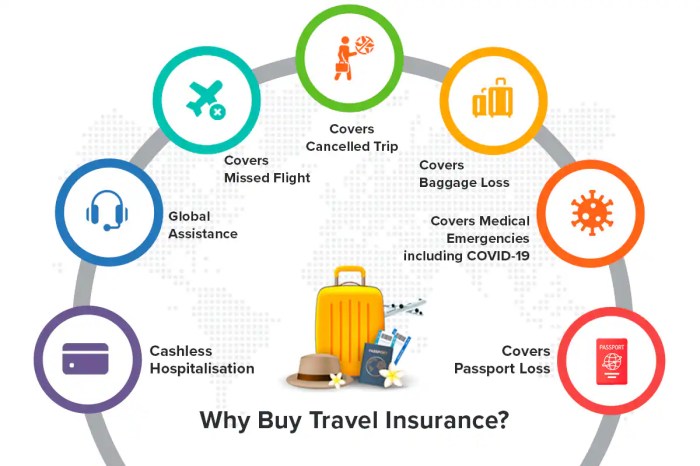
Business travel, while essential for many, is inherently susceptible to unforeseen disruptions. Flights can be delayed or canceled, severe weather can ground travel, and unexpected personal emergencies can derail even the most meticulously planned trips. These disruptions can lead to significant financial losses, particularly when dealing with non-refundable expenses such as flights, accommodation, and pre-paid activities. Travel insurance provides a crucial safety net in these scenarios, mitigating potential financial burdens and allowing you to focus on resolving the immediate issues rather than worrying about the cost implications.Travel insurance offers comprehensive coverage for a wide range of trip disruptions and cancellations.
It can reimburse you for prepaid, non-refundable expenses incurred due to covered events, helping to minimize the financial impact of unforeseen circumstances. This protection is particularly valuable for business travelers who often have limited flexibility and may face significant financial penalties for cancelled or altered travel plans.
Causes of Trip Disruptions and Cancellations
Numerous factors can lead to the disruption or cancellation of a business trip. These include, but are not limited to, airline cancellations or significant delays exceeding a specified timeframe (often 12 hours), severe weather events such as hurricanes or blizzards impacting travel routes, unexpected illnesses or injuries requiring immediate medical attention, and family emergencies requiring immediate return. Furthermore, political instability or civil unrest in the destination country can also necessitate trip cancellations, resulting in substantial financial losses if appropriate insurance isn’t in place.
Unexpected work-related issues demanding immediate attention at home can also necessitate trip interruption, triggering the need for insurance coverage.
Reimbursement for Non-Refundable Expenses
Travel insurance policies typically cover non-refundable expenses related to trip cancellations or disruptions caused by covered events. This can include the cost of airline tickets, hotel reservations, pre-booked tours or activities, and other associated expenses. The specific coverage and reimbursement amounts vary depending on the chosen policy and the specific circumstances of the disruption. It’s crucial to review the policy details carefully before purchasing to understand the extent of coverage.
For example, a policy might reimburse 100% of the cost of a non-refundable flight ticket if the cancellation is due to a covered event like a sudden illness, but only a percentage if the cancellation is due to a personal reason not covered by the policy.
Examples of Crucial Scenarios
Consider a scenario where a business traveler’s flight is canceled due to a severe snowstorm, resulting in the loss of a significant, non-refundable conference registration fee and pre-paid hotel accommodations. Travel insurance would reimburse these losses, preventing a substantial financial setback. Alternatively, imagine a situation where a sudden family emergency necessitates a traveler’s immediate return home. Travel insurance would cover the cost of a replacement flight, mitigating the unexpected expenses.
In another example, if a business trip is canceled due to a sudden illness requiring hospitalization, the insurance would cover medical expenses as well as the costs associated with the trip cancellation.
Filing a Claim for Trip Cancellation or Interruption
Filing a claim typically involves these steps: First, immediately notify your insurance provider of the disruption, ideally within the timeframe specified in your policy (often 24-48 hours). Second, gather all necessary documentation, including flight itineraries, hotel confirmations, medical certificates (if applicable), and any other relevant evidence supporting your claim. Third, complete the claim form provided by your insurer, providing detailed information about the event and the resulting expenses.
Fourth, submit your claim form and supporting documentation to your insurer through the designated method (online portal, mail, etc.). Fifth, follow up with your insurer if you haven’t received a response within a reasonable timeframe. The processing time for claims varies depending on the insurer and the complexity of the case. Maintaining clear and thorough records throughout the process is essential for a smooth and efficient claim settlement.
Legal and Liability Protection
Business travel, while offering significant opportunities, exposes individuals to unforeseen legal risks. Accidents, injuries to third parties, or property damage can lead to substantial legal costs and reputational damage. Travel insurance plays a crucial role in mitigating these risks by providing essential legal assistance and liability coverage.Travel insurance offers a safety net against the financial burden of legal disputes arising from business trips.
This coverage can significantly reduce stress and allow you to focus on your professional commitments rather than worrying about the legal ramifications of unexpected events. It provides access to legal professionals who can advise you on the best course of action, negotiate settlements, and, if necessary, represent you in court.
Liability Coverage Scenarios
Several scenarios highlight the importance of liability coverage for business travelers. For example, imagine a business meeting in a foreign country where an accident occurs in your rented vehicle, resulting in injuries to a pedestrian. Or consider a situation where you inadvertently damage property belonging to your hotel or a client. In both cases, liability claims could easily exceed tens of thousands of dollars, leaving you with significant financial responsibility.
Travel insurance can cover legal fees, settlements, and judgments arising from such incidents, protecting your personal assets. Another example could involve a business lunch where an intoxicated colleague causes damage or injury. Even if you were not directly involved, you might still face liability if you are considered partly responsible for supervising them.
Liability Claim Process
Understanding the claim process is vital. Here’s a simplified flowchart outlining the typical steps:
- Incident Occurs: An accident or incident leading to a potential liability claim takes place.
- Report the Incident: Immediately notify your travel insurance provider about the incident, providing as much detail as possible.
- Gather Evidence: Collect all relevant information, including police reports, witness statements, medical records, and photographs.
- Legal Assistance: Your insurer will connect you with legal professionals who can advise and represent you.
- Claim Submission: Submit a formal claim to your insurer, including all collected evidence.
- Investigation and Review: The insurer will investigate the claim and review all documentation.
- Settlement or Legal Representation: The insurer will work towards a settlement or provide legal representation as needed.
- Claim Resolution: The claim is resolved, either through settlement or court judgment.
Related Travel Resources and Information
Planning a successful business trip requires more than just booking flights and hotels. Leveraging the right resources and tools can significantly streamline the process, saving you time and money while ensuring a smooth and productive journey. Effective trip planning involves utilizing online tools, mobile applications, and other resources to optimize your travel arrangements and prepare for potential challenges.Finding and comparing travel deals effectively is crucial for managing business trip expenses.
Several online platforms and mobile apps specialize in this area, allowing for efficient comparison shopping.
Finding and Comparing Travel Deals
Numerous websites and apps provide tools to compare flight and hotel prices from various providers. Websites like Kayak, Skyscanner, and Google Flights allow users to input their desired travel dates and destinations to view a range of options and prices. These platforms often incorporate filters for sorting results by price, flight duration, airline, and other criteria. Mobile apps offer similar functionalities, often with added features such as price alerts and personalized recommendations.
For example, Hopper uses predictive analytics to forecast price fluctuations, enabling users to identify optimal booking times. Similarly, Expedia and Booking.com offer comprehensive packages that include flights, hotels, and sometimes rental cars, simplifying the booking process. By utilizing these resources, travelers can effectively compare options and identify the most cost-effective travel arrangements.
Benefits of Travel Apps for Business Trip Planning and Management
Travel apps offer a range of benefits for business travelers beyond simply booking flights and hotels. Many apps provide integrated features for managing itineraries, storing travel documents (boarding passes, hotel confirmations, etc.), tracking expenses, and accessing real-time information such as flight status updates and airport maps. For instance, TripIt automatically organizes travel plans from emails and confirmations, creating a centralized itinerary easily accessible offline.
Other apps like Expensify streamline expense tracking and reporting, simplifying the reimbursement process for business travelers. The convenience and centralized management capabilities of these apps significantly reduce the administrative burden associated with business trips.
Essential Travel Items for Business Trips
Proper preparation is key to a successful business trip. Packing the right items ensures you’re ready for any situation. A well-organized packing list, categorized by necessity, helps prevent last-minute scrambling and forgotten essentials.
- Documents: Passport, visa (if required), driver’s license, travel insurance policy, flight/hotel confirmations, business cards, itinerary.
- Electronics: Laptop, smartphone, charger(s), power adapter(s), portable Wi-Fi device (if necessary), headphones.
- Clothing: Business attire appropriate for meetings and presentations, comfortable travel clothing, undergarments, toiletries.
- Other Essentials: Medications (with prescriptions), first-aid kit, comfortable shoes, reusable water bottle, any necessary business materials (presentations, documents).
Value of Travel Guides and Blogs for Efficient and Productive Business Trips
While online booking tools handle the logistics, travel guides and blogs offer valuable context and insights for maximizing the productivity and enjoyment of your business trip. Reputable travel guides, such as those published by Lonely Planet or Frommer’s, provide detailed information about destinations, including local customs, transportation options, and recommended restaurants. Similarly, numerous travel blogs offer personal perspectives and practical tips from experienced travelers.
Blogs focusing on business travel, like those found on sites dedicated to business travel or specific industries, offer advice on navigating business-specific situations, such as networking events or efficient meeting schedules. These resources can help travelers make informed decisions, ensuring a smooth and productive trip.
In conclusion, securing travel insurance for business trips is a prudent investment that safeguards against a multitude of potential problems. The peace of mind it offers, coupled with the financial protection it provides against unexpected medical expenses, trip disruptions, and legal liabilities, far outweighs the cost of the premium. By carefully considering your specific needs and selecting a policy that aligns with your travel plans, you can effectively mitigate risk and ensure a successful and worry-free business trip.
Top FAQs
What happens if my luggage is lost or damaged?
Most travel insurance policies offer baggage loss or damage coverage, reimbursing you for the value of your lost or damaged belongings up to a specified limit. You’ll typically need to file a claim with your insurer, providing documentation such as baggage claim receipts and photos of the damage.
Can I get travel insurance after I’ve already booked my trip?
Yes, you can often purchase travel insurance even after booking your trip, but it’s generally advisable to buy it as soon as possible to ensure maximum coverage. Some policies may have exclusions or limitations if purchased very close to your departure date.
What if I need to cancel my trip due to a family emergency?
Many travel insurance policies cover trip cancellations due to unforeseen circumstances, including family emergencies. You would need to provide documentation supporting the reason for cancellation to your insurer to process your claim.
Does travel insurance cover pre-existing medical conditions?
Coverage for pre-existing medical conditions varies greatly depending on the insurer and the specific policy. Some policies offer limited coverage, while others may exclude them entirely. It’s crucial to disclose any pre-existing conditions when applying for travel insurance.


