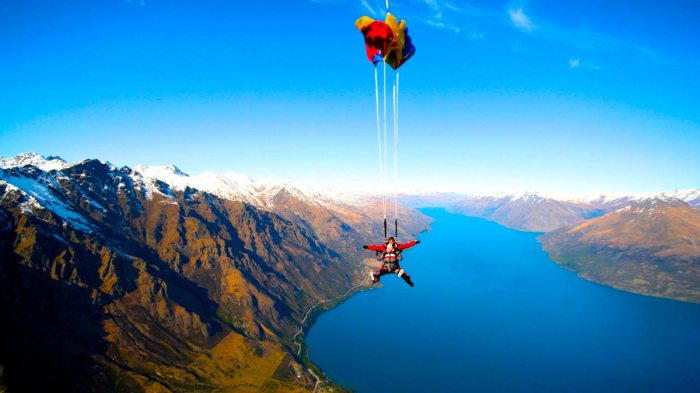
New Zealand, a land of breathtaking landscapes and unparalleled adventure, beckons thrill-seekers from around the globe. This travel guide caters specifically to adventure sports enthusiasts, providing a comprehensive resource for planning an unforgettable trip. From the adrenaline rush of bungy jumping to the serene beauty of hiking amidst stunning fjords, New Zealand offers a diverse range of activities to satisfy every level of experience.
This guide will explore the best regions, activities, planning essentials, and responsible travel practices, ensuring a safe and rewarding adventure.
We delve into the specifics of various adventure sports, offering detailed information on locations, difficulty levels, and necessary equipment. We also provide practical advice on planning your trip, including visa requirements, travel insurance options, and essential travel apps. Furthermore, we explore diverse accommodation choices and transportation methods, ensuring your comfort and convenience throughout your journey. Finally, we highlight the importance of responsible tourism and safety precautions, aiming to equip you with the knowledge for a truly exceptional and memorable New Zealand adventure.
New Zealand Adventure Sports
New Zealand, a land of dramatic contrasts, offers an unparalleled playground for adventure sports enthusiasts. From the soaring peaks of the Southern Alps to the turquoise waters of the Bay of Islands, the country’s diverse landscape provides a thrilling backdrop for a wide range of activities. Whether you crave the adrenaline rush of white-water rafting, the serenity of kayaking through pristine fjords, or the challenge of conquering a challenging mountain peak, New Zealand caters to every level of adventurer.
This guide is designed specifically for those seeking to experience the best of New Zealand’s adventure sports scene, offering practical information and insights to help you plan your perfect trip.This travel guide is structured to provide a comprehensive overview of adventure sports opportunities across New Zealand, categorized by region and activity type. We’ll explore the key locations, highlight essential gear and safety considerations, and offer practical tips for planning your adventure.
The guide also includes information on accommodation, transportation, and other logistical aspects to ensure a smooth and enjoyable experience. The target audience for this guide is individuals and groups who are passionate about adventure sports and seeking an immersive New Zealand experience. We assume a certain level of fitness and preparedness for undertaking these activities.
Adventure Sports Regions of New Zealand
New Zealand’s geography naturally lends itself to adventure activities. The country’s varied terrain, from rugged mountains to stunning coastlines, offers unique opportunities in each region. The South Island, in particular, is renowned for its extreme sports, while the North Island boasts milder options alongside more challenging activities. The following Artikels some of the key regions and the activities they are best known for.
- Queenstown: Considered the adventure capital of the world, Queenstown offers bungy jumping, white-water rafting, skiing, snowboarding, and mountain biking. The visual landscape alone is a breathtaking experience, with the dramatic backdrop of Lake Wakatipu and the surrounding mountains. Imagine soaring through the air during a bungy jump, with the stunning lake reflecting the vibrant sky.
- Wanaka: Located near Queenstown, Wanaka provides similar activities but with a more laid-back atmosphere. It’s known for its stunning lake, perfect for watersports and scenic hikes. The iconic Lone Tree of Wanaka offers an unforgettable photo opportunity, and the area provides plenty of opportunities for hiking and exploring the surrounding mountains.
- Fiordland National Park: This region is renowned for its breathtaking fjords, offering kayaking, hiking, and boat tours. Imagine paddling through tranquil waters surrounded by towering cliffs and lush rainforest. The scale of the landscape is truly awe-inspiring.
- Rotorua: Located on the North Island, Rotorua is known for its geothermal activity and offers activities like white-water rafting, mountain biking, and zorbing. The unique landscape, characterized by bubbling mud pools and geysers, adds a different dimension to the adventure experience.
Essential Gear and Safety Considerations
Prioritizing safety is paramount when engaging in adventure sports. Appropriate gear and preparation can significantly reduce risks and enhance the overall experience. This section will Artikel some essential considerations for different activities.
- Clothing: Layering is crucial, allowing for adjustments based on weather conditions. Waterproof and windproof outer layers are essential, along with comfortable base layers that wick away moisture. Appropriate footwear, sturdy hiking boots or water shoes depending on the activity, is non-negotiable.
- Safety Equipment: Helmets are essential for activities like mountain biking, white-water rafting, and kayaking. Life jackets are mandatory for any water-based activities. Always check the equipment provided by tour operators and ensure it’s in good condition. Consider personal locator beacons (PLBs) for remote activities.
- First-Aid Kit: A well-stocked first-aid kit is essential for dealing with minor injuries. Knowing basic first-aid procedures is highly recommended.
Planning Your New Zealand Adventure
Careful planning is key to a successful adventure trip. This section offers guidance on booking tours, choosing accommodation, and arranging transportation.
Booking tours in advance, particularly during peak season, is highly recommended to secure your spot and potentially benefit from early-bird discounts. Consider the level of difficulty and your experience level when selecting activities. Accommodation options range from budget-friendly hostels to luxurious lodges, catering to diverse preferences and budgets. Transportation options include rental cars, buses, and domestic flights, depending on your itinerary and chosen destinations.
Researching transportation options beforehand and considering potential travel times between locations is crucial for efficient planning.
Top Adventure Activities in New Zealand
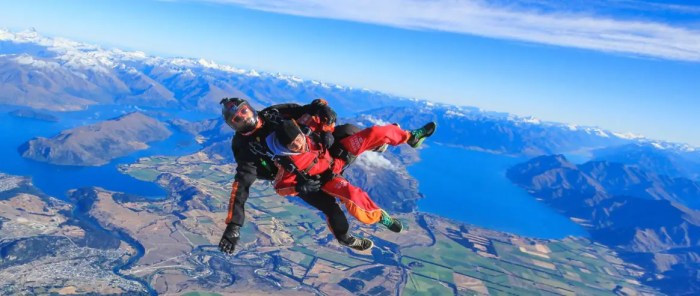
New Zealand, renowned for its stunning landscapes and diverse terrain, offers an unparalleled playground for adventure sports enthusiasts. From the soaring heights of the Southern Alps to the rushing rivers of the South Island, the country provides a thrilling backdrop for a wide range of activities, catering to all skill levels and adrenaline thresholds. This section highlights some of the most popular and exhilarating adventure sports available.
Popular Adventure Sports in New Zealand
New Zealand’s unique geography and climate make it a world-leading destination for adventure sports. The following table details five popular activities, their locations, difficulty levels, and necessary equipment.
| Activity | Location | Difficulty | Gear |
|---|---|---|---|
| Bungy Jumping | Various locations throughout the country, notably Queenstown (Kawarau Bridge) and Taupo. | Beginner to Advanced (depending on jump height and style) | Provided by operators; typically includes harness, ropes, and safety equipment. |
| White-Water Rafting | Numerous rivers across both islands, including the Kaituna River (Rotorua) and the Rangitata River (South Island). | Beginner to Expert (depending on river grade and chosen section). | Provided by operators; includes raft, paddles, life jackets, helmets. Appropriate clothing is recommended (wetsuit, waterproof jacket). |
| Skiing/Snowboarding | Queenstown (Coronet Peak, The Remarkables), Wanaka (Treble Cone), and numerous other ski resorts across the South Island. | Beginner to Expert (depending on chosen runs and terrain). | Skis/snowboard, boots, poles, appropriate clothing (waterproof jacket and pants, gloves, helmet recommended). Lift passes are required. |
| Hiking/Tramping | The country offers a vast network of trails, from easy day walks to multi-day treks. Popular options include the Abel Tasman Coast Track and the Milford Track. | Beginner to Expert (depending on trail length, elevation gain, and terrain). | Sturdy hiking boots, appropriate clothing for varied weather conditions, backpack, water bottle, map, compass/GPS, food, and first-aid kit. |
| Black Water Rafting/Caving | Waitomo Caves (Waitomo) is a prime location. | Beginner to Intermediate (depending on the cave system and chosen tour). | Provided by operators; typically includes wetsuit, helmet, headlamps, and life vest. |
Anecdotes from Adventure Sports Participants
Many individuals share transformative experiences participating in these activities. One Queenstown bungy jumper described the leap as “the most exhilarating moment of my life, a complete release of fear and a surge of pure adrenaline.” A seasoned white-water rafter recounted navigating a challenging rapid on the Kaituna River as “a test of teamwork and resilience, a truly unforgettable experience.” A hiker on the Milford Track described the stunning scenery as “beyond words,” emphasizing the sense of accomplishment and connection with nature.
These experiences highlight the unique blend of thrill, challenge, and natural beauty that makes New Zealand a premier destination for adventure.
Best Regions for Adventure Sports
New Zealand’s diverse landscape offers a plethora of opportunities for adventure sports enthusiasts. From the rugged Southern Alps to the geothermal wonders of the North Island, adrenaline junkies will find their perfect playground. Choosing the best region depends on your preferred activities and desired intensity level. This section highlights five prime locations, each boasting a unique set of thrilling experiences.
Queenstown and the Wakatipu Basin
Queenstown, nestled on the shores of Lake Wakatipu, is widely considered the adventure capital of the world. Its stunning scenery, combined with a vibrant atmosphere and readily available activities, makes it a must-visit for any adventure seeker. The surrounding mountains and lakes provide a dramatic backdrop for a variety of exhilarating pursuits.
The following activities are readily available in Queenstown and the surrounding Wakatipu Basin:
- Bungy jumping and swinging
- White-water rafting on the Kawarau River
- Skiing and snowboarding in winter (The Remarkables and Coronet Peak)
- Hiking and mountain biking on numerous trails
- Jet boating
A possible three-day Queenstown adventure itinerary could include:
- Day 1: Bungy jump at the Kawarau Bridge, followed by a relaxing cruise on Lake Wakatipu.
- Day 2: White-water rafting on the Kawarau River, and then exploring the Gibbston Valley wine region.
- Day 3: A scenic hike to a viewpoint overlooking Queenstown, or a thrilling ride on the Skyline Gondola.
Fiordland National Park
Fiordland, a UNESCO World Heritage site, offers a dramatically different adventure experience. Characterized by its deep fiords, towering mountains, and dense rainforest, it’s ideal for those seeking a wilder, more immersive adventure. The scale of the landscape is breathtaking, and the remoteness adds to the sense of adventure.
Activities available in Fiordland include:
- Kayaking or boat trips through Milford Sound and Doubtful Sound
- Hiking the Milford Track (multi-day trek)
- Heli-hiking to remote locations
- Fishing
- Wildlife viewing (dolphins, seals, penguins)
A possible three-day Fiordland itinerary could focus on:
- Day 1: A cruise through Milford Sound, taking in the stunning waterfalls and towering cliffs.
- Day 2: A shorter hike in the area, perhaps to a scenic viewpoint, allowing time for exploration.
- Day 3: A guided kayaking tour through a quieter fiord, offering a more intimate experience.
Rotorua and the Bay of Plenty
Rotorua, on the North Island, is known for its geothermal activity and Maori culture. While not solely focused on extreme sports, it offers a unique blend of adventure and cultural experiences. The region is home to numerous forests and lakes, providing opportunities for various activities.
Adventure activities in Rotorua and the Bay of Plenty include:
- Mountain biking in the Whakarewarewa Forest
- White-water rafting on the Kaituna River
- Zorbing
- Exploring geothermal areas like Te Puia
- Caving
A possible three-day Rotorua itinerary could involve:
- Day 1: Mountain biking in the Whakarewarewa Forest, followed by a visit to a Maori cultural performance.
- Day 2: White-water rafting on the Kaituna River, and then exploring the Polynesian Spa.
- Day 3: Visiting Te Puia geothermal park and exploring the Waitomo Caves.
Planning Your Adventure Trip
Embarking on an adventure sports holiday in New Zealand requires careful planning to ensure a smooth and unforgettable experience. This section will guide you through the essential steps, from securing the necessary travel documents to packing the right gear. Careful preparation will allow you to fully immerse yourself in the thrill of New Zealand’s diverse landscapes and activities.
Visa Requirements
Determining your visa requirements depends entirely on your nationality. Citizens of many countries can enter New Zealand visa-free for tourism purposes for a specified period (often up to 90 days). However, it’s crucial to check the New Zealand Immigration website (www.immigration.govt.nz) well in advance of your trip. This website provides a visa application tool that will guide you through the process based on your citizenship and the purpose of your visit.
Failure to obtain the correct visa before your travel date may result in denied entry to the country. Allow ample time for the application process, as processing times can vary.
Travel Insurance
Comprehensive travel insurance is paramount for any adventure trip, particularly in a country like New Zealand with its challenging terrains and diverse activities. Unexpected events, from minor injuries to severe accidents or medical emergencies, can quickly escalate into significant financial burdens. Different types of coverage are available, ranging from basic travel insurance that covers trip cancellations and lost luggage to comprehensive policies that include medical evacuation, emergency medical treatment, and coverage for adventure activities like skiing, bungee jumping, and white-water rafting.
Ensure your policy specifically covers the activities you plan to undertake. Look for policies with high coverage limits and a reputable insurer with a proven track record of supporting travellers in emergencies. The cost of adequate travel insurance is a small price to pay for the peace of mind it provides.
Essential Travel Apps and Gadgets
Modern technology significantly enhances the adventure travel experience. Several apps and gadgets can prove invaluable during your New Zealand trip. Navigation apps like Maps.me (offering offline maps) are essential, especially in areas with limited or no cellular service. A GPS tracker can provide added safety, especially when venturing off the beaten path. A high-capacity power bank is crucial for keeping your devices charged, particularly when exploring remote locations.
A weather app that provides highly localized forecasts will help you prepare for changing conditions. Consider a waterproof action camera to capture your adventures, and a satellite messenger device can be a lifesaver in emergency situations where cellular service is unavailable. These technological aids, when used responsibly, contribute significantly to a safe and enjoyable adventure.
Accommodation and Transportation
Planning your accommodation and transportation in New Zealand is crucial for a smooth and enjoyable adventure sports trip. The country offers a diverse range of options to suit various budgets and preferences, from budget-friendly hostels to luxurious eco-lodges. Similarly, getting around can be achieved through various methods, each with its own advantages and disadvantages. Careful consideration of these factors will significantly enhance your overall experience.
Accommodation Options for Adventure Travelers
Choosing the right accommodation is vital for maximizing your adventure experience. A comfortable and well-located base allows for optimal rest and preparation between activities. The options below cater to different needs and budgets, ensuring you find the perfect fit for your trip.
| Accommodation Type | Price Range (NZD per night) | Pros | Cons |
|---|---|---|---|
| Hostels | $30 – $80 | Budget-friendly, social atmosphere, opportunity to meet fellow travelers. | Shared facilities, potentially less privacy. |
| Eco-lodges | $100 – $300+ | Sustainable practices, often located in stunning natural settings, unique and memorable experience. | Can be more expensive than other options, limited availability in some areas. |
| Hotels/Motels | $80 – $300+ | Wide range of options to suit different budgets and preferences, convenient amenities, comfortable and private. | Can be more expensive than hostels or campsites, less immersive in the natural environment. |
| Camping Grounds/Backcountry Huts | $15 – $40 (Camping); $20 – $60 (Huts) | Immersive experience in nature, budget-friendly (especially camping), access to remote locations. | Requires self-sufficiency (especially camping), potential for limited amenities, weather dependent. |
Transportation Methods in New Zealand
Navigating New Zealand’s diverse landscape requires careful consideration of transportation options. The best choice depends on your itinerary, budget, and preferred level of independence.
| Transportation Method | Price Range (Estimate) | Pros | Cons |
|---|---|---|---|
| Rental Car | $50 – $150+ per day | Flexibility and independence to explore at your own pace, access to remote locations. | Can be expensive, requires a valid driver’s license, parking can be challenging in some areas. |
| Public Transport (Buses) | $10 – $50 per journey | Affordable, environmentally friendly, convenient for travel between major cities and towns. | Limited frequency in some areas, less flexibility, may require longer travel times. |
| Intercity Buses | Variable, depending on distance | Relatively affordable long-distance travel option, connecting major cities and towns. | Less flexibility than rental car, limited luggage space. |
Travel Deals and Resources
Planning your New Zealand adventure doesn’t have to break the bank. With a little research and strategic planning, you can find fantastic deals on flights and accommodation, leaving you with more funds to enjoy the incredible activities this country offers. This section Artikels resources and strategies for securing the best value for your trip.Finding affordable flights and accommodation requires a proactive approach.
Websites such as Skyscanner and Google Flights allow you to compare prices across various airlines and travel dates, helping you identify the most economical options. Booking your flights and accommodation well in advance, particularly during peak season, can often lead to significant savings. Consider traveling during the shoulder seasons (spring and autumn) for potentially lower prices and fewer crowds.
For accommodation, explore options beyond traditional hotels, such as hostels, guesthouses, and Airbnb, which often offer more budget-friendly alternatives. Websites like Booking.com and Hostelworld are excellent resources for comparing accommodation prices and reading reviews.
Finding Travel Deals and Discounts
Several websites and resources specialize in finding travel deals and discounts. Websites like Groupon and LivingSocial occasionally feature deals on adventure activities and accommodation packages in New Zealand. Subscribing to newsletters from airlines and travel companies can also alert you to special offers and promotions. Many travel blogs and websites dedicated to New Zealand offer advice and resources on finding affordable travel options.
For example, sites like The Points Guy and Scott’s Cheap Flights frequently highlight flight deals, while numerous New Zealand-focused travel blogs provide insider tips on budget-friendly travel.
Essential Items for Adventure Travel in New Zealand
Packing appropriately is crucial for a safe and enjoyable adventure in New Zealand. The weather can be unpredictable, ranging from sunny and warm to cold and rainy, even within a single day. Therefore, layering your clothing is essential. Bringing waterproof and windproof outerwear is also highly recommended, regardless of the season.
- High-quality hiking boots: Essential for tackling various terrains.
- Moisture-wicking base layers: To keep you dry and comfortable during activities.
- Waterproof and windproof jacket and trousers: Protection against unpredictable weather.
- Warm layers: Fleeces, sweaters, or down jackets for colder conditions.
- Sunscreen and sunglasses: Even on cloudy days, the sun’s rays can be strong.
- Insect repellent: To protect against mosquitos and sandflies, particularly in forested areas.
- First-aid kit: Including any personal medications.
- Headlamp or flashlight: For navigating in low-light conditions.
- Dry bag or waterproof backpack: To protect your belongings from rain and water.
- Map and compass/GPS device: For navigation on hikes and outdoor activities.
Safety and Responsible Travel
New Zealand’s stunning landscapes offer unparalleled adventure opportunities, but safety and responsible travel are paramount. Prioritizing your well-being and minimizing your environmental impact ensures you can fully enjoy this incredible country while preserving it for future generations. This section Artikels crucial safety considerations for various activities and emphasizes the importance of sustainable tourism practices.
Safety Considerations for Adventure Activities
Adventure activities in New Zealand, while exhilarating, carry inherent risks. Understanding and mitigating these risks is crucial for a safe and enjoyable experience. Preparation, proper equipment, and adherence to guidelines are essential.
- Bungy Jumping and Swings: Always choose reputable operators adhering to strict safety regulations. Listen carefully to instructions and follow all safety procedures. Understand the physical requirements and any health limitations before participating.
- White Water Rafting: Choose a rafting company with experienced guides and a proven safety record. Wear appropriate safety gear as instructed and follow your guide’s commands implicitly. Be aware of the river’s conditions and potential hazards.
- Hiking and Trekking: Inform someone of your planned route and estimated return time. Carry appropriate gear, including a map, compass, first-aid kit, and sufficient water and food. Be aware of weather conditions and potential hazards like uneven terrain or wildlife.
- Skydiving: Choose a reputable skydiving operator with a strong safety record and experienced instructors. Follow all instructions carefully and understand the risks involved. Ensure you are physically and mentally fit for the activity.
- Canyoning: This activity requires specialized training and equipment. Only participate with certified and experienced guides. Be aware of the risks associated with heights, water, and slippery surfaces.
Responsible Tourism Practices
Minimizing your environmental impact is crucial for preserving New Zealand’s natural beauty. Responsible tourism involves respecting the environment, local communities, and cultural heritage.
- Leave No Trace: Pack out everything you pack in. Avoid disturbing native flora and fauna. Stick to marked trails and campsites.
- Respect Local Communities: Be mindful of local customs and traditions. Support local businesses and communities by purchasing goods and services from them.
- Conserve Water and Energy: Reduce your water and energy consumption wherever possible. Choose eco-friendly accommodations and transportation options.
- Support Conservation Efforts: Consider donating to or volunteering with local conservation organizations to help protect New Zealand’s unique environment.
Emergency Services Contact Information
In case of an emergency, dial 111. This number connects you to police, ambulance, and fire services. It’s essential to have this number readily available and know how to use it. For non-emergencies, contact your accommodation provider or local tourist information center for assistance. Always inform someone of your plans before embarking on any adventure activity.
Sample Itineraries
Choosing the right itinerary depends heavily on your available time and preferred adventure style. New Zealand offers a diverse range of experiences, from the adrenaline rush of Queenstown to the tranquil beauty of Fiordland. These sample itineraries provide a framework; feel free to customize them to your interests and fitness level. Remember to book accommodations and activities in advance, especially during peak season.These itineraries highlight two distinct regions showcasing the variety of adventure activities New Zealand provides.
The first focuses on the South Island’s adventure capital, while the second explores both islands, balancing adrenaline with scenic beauty.
Seven-Day Queenstown Adventure Itinerary
This itinerary focuses on Queenstown and its surrounding areas, immersing you in the heart of New Zealand’s adventure scene. Expect stunning alpine landscapes, thrilling activities, and comfortable accommodation options.
- Day 1: Arrive in Queenstown, check into your hotel (e.g., a centrally located hotel like the Queenstown Park Hotel or a more luxurious option like the The Rees Hotel). Explore the town, take a stroll along the lakefront, and enjoy the vibrant atmosphere.
- Day 2: Bungy jump or swing at the Kawarau Bridge, the birthplace of commercial bungy jumping. In the afternoon, try white-water rafting on the Shotover River. Enjoy dinner at a local restaurant.
- Day 3: Take a scenic gondola ride up Bob’s Peak for breathtaking views of Queenstown and the surrounding mountains. Go for a hike on one of the many trails, or try mountain biking.
- Day 4: Experience the thrill of a jet boat ride on the Shotover River. Later, relax at Onsen Hot Pools for stunning views and a rejuvenating soak.
- Day 5: Take a day trip to Glenorchy, a picturesque village at the head of Lake Wakatipu. Enjoy a scenic drive, hike to a stunning viewpoint, or try kayaking on the lake.
- Day 6: Go for a thrilling ride on the Skyline Luge, a gravity-powered cart ride down the mountain. In the evening, enjoy a farewell dinner with stunning lake views.
- Day 7: Depart from Queenstown.
Imagine yourself soaring through the air on a bungy jump, the wind whipping past your face as you plummet towards the Kawarau River. Picture the turquoise waters of the Shotover River rushing beneath you as you navigate the rapids on a white-water raft. Conclude your trip with panoramic views from Bob’s Peak, the majestic Southern Alps forming a breathtaking backdrop to the vibrant town of Queenstown nestled beside the crystal-clear lake.
Transportation will primarily involve taxis, rental cars, and scheduled shuttle services for activities.
Fourteen-Day North and South Island Adventure Itinerary
This itinerary provides a broader experience, showcasing the diverse landscapes and activities across both islands. It balances adrenaline-pumping adventures with opportunities for relaxation and sightseeing.
- Days 1-3: Arrive in Auckland, explore the city, and then fly to Queenstown. Spend three days experiencing the Queenstown activities as detailed in the 7-day itinerary (Days 2-4).
- Days 4-5: Fly from Queenstown to Wanaka. Enjoy the stunning scenery around Lake Wanaka, including a hike to Roy’s Peak for panoramic views. Consider a scenic flight over the Southern Alps.
- Days 6-7: Travel to Abel Tasman National Park (flight to Nelson then transfer). Kayak or hike through the park’s stunning coastal scenery. Enjoy the golden sand beaches and turquoise waters.
- Days 8-9: Travel to Rotorua (flight from Nelson to Rotorua). Experience the geothermal wonders of Rotorua, including geysers, mud pools, and hot springs. Consider a Maori cultural experience.
- Days 10-11: Explore the Waitomo Caves, marvel at the glowworms, and try black water rafting. Travel to Auckland.
- Days 12-13: Explore Auckland, including its volcanic cones, harbors, and museums. Enjoy a final dinner in the city.
- Day 14: Depart from Auckland.
This itinerary offers a journey through diverse landscapes, from the dramatic alpine scenery of the South Island to the lush rainforests and geothermal wonders of the North Island. Imagine yourself kayaking through the crystal-clear waters of Abel Tasman National Park, surrounded by golden sand beaches and lush native forests. Then, picture yourself surrounded by the steam and bubbling mud of Rotorua’s geothermal area, followed by the magical sight of thousands of glowworms illuminating the Waitomo Caves.
Transportation will involve a combination of domestic flights, rental cars, and local transport options.
Embarking on an adventure sports journey in New Zealand promises an unparalleled experience, blending exhilarating activities with the country’s stunning natural beauty. This guide has equipped you with the necessary information to plan your trip effectively, ensuring a safe, responsible, and unforgettable adventure. From choosing the perfect activity to navigating the diverse landscapes, we hope this resource has inspired you to explore the thrilling possibilities that await in New Zealand.
Remember to prioritize safety, respect the environment, and create lasting memories amidst the breathtaking scenery.
Helpful Answers
What is the best time of year to visit New Zealand for adventure sports?
The best time depends on the specific activity. Summer (December-February) is ideal for water sports and hiking, while winter (June-August) is perfect for skiing and snowboarding.
How much money should I budget for an adventure trip to New Zealand?
Budget varies greatly depending on your activities, accommodation choices, and travel style. Expect to spend at least $100-$200 per day, but this can be significantly higher or lower.
What vaccinations are recommended for New Zealand?
Consult your doctor for personalized advice, but generally, standard vaccinations are recommended. No specific vaccinations are mandatory.
Can I bring my own adventure sports equipment?
While you can, it’s often easier and more cost-effective to rent equipment locally. Check with tour operators for rental options.


